

Meningitis in your words
A digital collection of stories written by people who have experience of meningitis. Read stories from others and share your own.
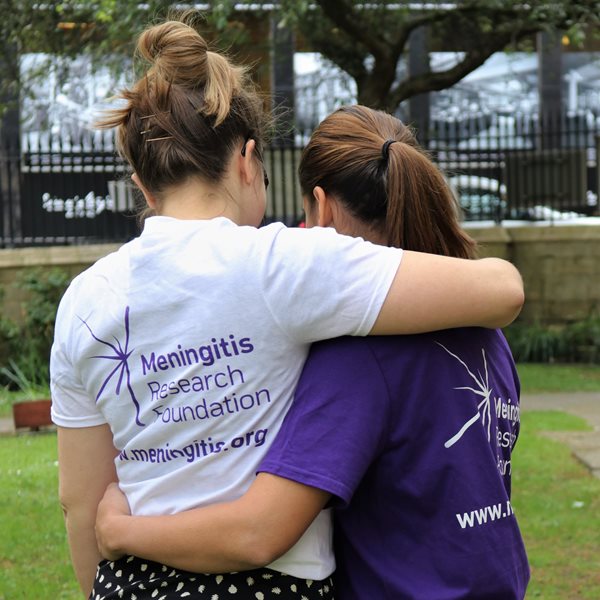
Coping with the death of someone important in your life is a deeply personal experience. We’re here for you.
When someone you love dies suddenly, it’s a devastating experience. Nothing can prepare you for the emotions that follow. If you’re reading this because someone you know has died, we are so sorry for your loss.
Everyone grieves in their own way. Grieving, however we do it, is a necessary process.
Our Support Services team are available to support you, your family and friends through your grief journeys.
Available Monday to Friday, 9am to 5pm, we can speak to you on:
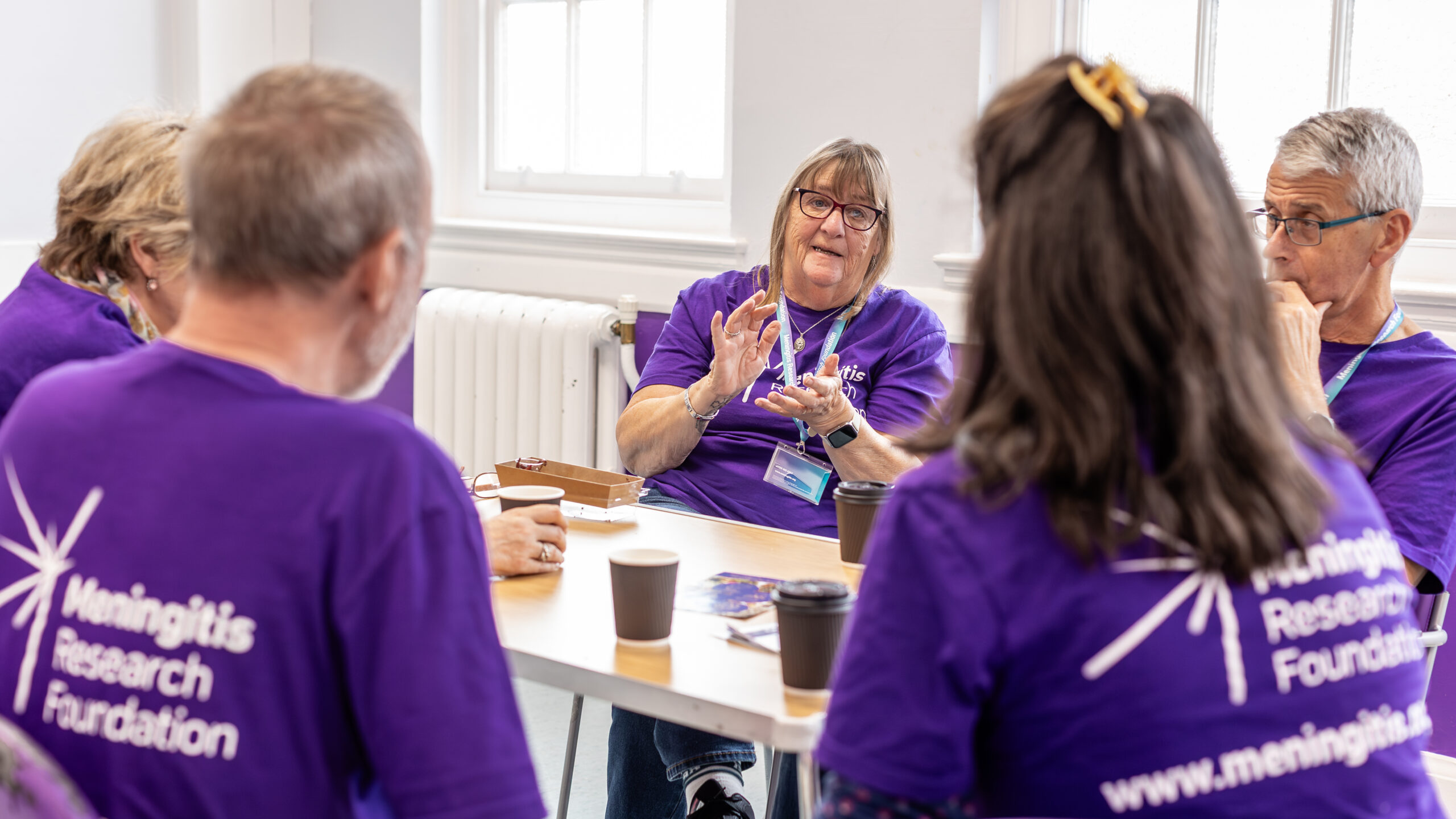
It’s okay to cry. It’s okay to scream. It’s okay to have good days. It's okay to have bad days. Everything is okay. It’s not wrong.Dawn Canham, Meningitis Research Foundation Ambassador
Everyone’s journey through grief is very unique and personal. People will experience a range of emotions, and these might be quite different to others around you. Grief can be an isolating experience. We have information on how you might be feeling, to help you know you’re not alone in your experiences.
The feeling of shock following a death can be overwhelming. This can show itself as numbness and withdrawing from those around you. You might cry uncontrollably or feel despair. Sometimes people experience muscle aches, bodily pain or shivering. It’s not unusual to feel there must be a mistake, even if you were there when the person you cared about died.
The death of someone you love can make you feel angry. You may have directed this anger at other family members or friends, the doctors or nurses who were unable to save your loved one, or at your faith. You may feel intensely angry with yourself. You may feel angry at your loved one for leaving you.
Guilt is a normal emotion following death, even if there’s no rationale for the guilt. Living with the feeling of guilt can be very hard. Meningitis and sepsis are very complex diseases. Sometimes, no matter how quickly treatment is given, it’s not possible to save the person’s life.
Even though rationally you know you did everything you could, you may be left with a feeling you should have done more. Parents and carers feel responsible for their child’s safety and may feel their child’s death must have been their fault, however irrational that belief is. Some people feel guilt that they’re still alive when their loved one has died. They may feel guilt about things said or left unsaid. They may feel guilt that they were unable to say ‘goodbye’ or ‘I love you’.
It can be hard to make sense of what has happened, particularly with meningitis and sepsis, which can happen so quickly and unexpectedly. Some people find it helpful to learn more about meningitis and sepsis. If you have any questions, you can get in touch with our support team.
Others may not feel able to face medical facts until much later.
You may feel a desire to be close to the person who has died. This may involve going to places they visited, or holding or smelling items of their clothing or their toys. This is very normal and many people find comfort from the feeling of closeness it brings.
Some people choose to create memory books and memory boxes to help them feel closer to the person who has died. Collecting items and memories from others may help you all to feel closer to the person and that you are sharing your grief and memory.
You may find you feel closer to a person by:
It’s quite common to ‘see’, ‘hear’ or repeatedly dream about your loved one, and this reflects the strength of feelings for them.
Grieving is a normal and often very difficult process for us. Everyone is different, and there is no right or wrong way of dealing with what you’re feeling. It may take a long time to feel you are able to live with your bereavement.
Special occasions may be difficult and birthdays and anniversaries can be particularly painful. Some people find holding events and spending difficult days with others to be helpful, others need to be alone at these more difficult times.
You can never bring back the person who has died, and the sorrow for their lost life never leaves, but as time passes, the intensity of the pain will change.
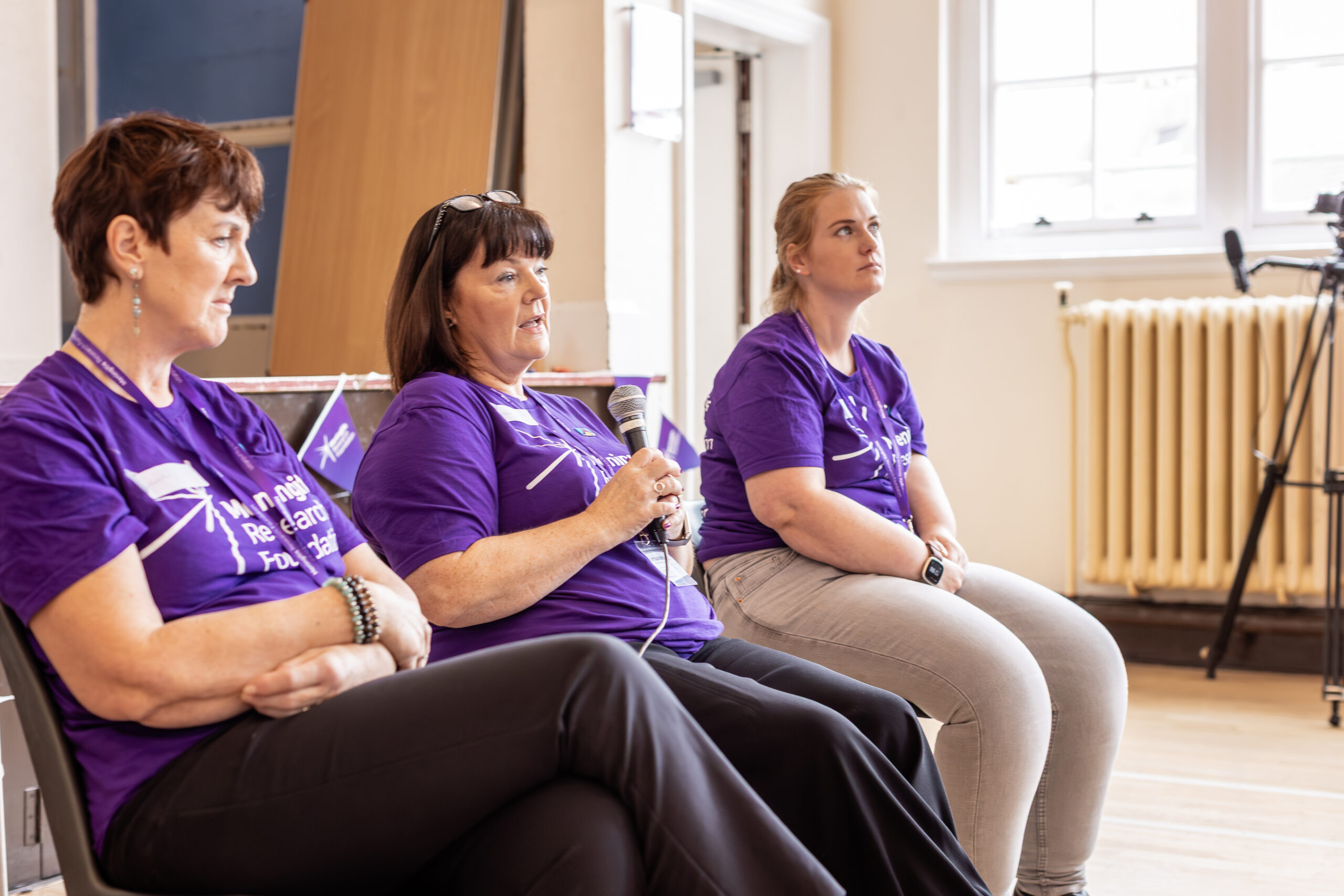
Explaining the death of a sibling or loved one to children can be very difficult for parents and carers. People feel unsure what to say. They don’t know how to explain what’s happened to children and how much they should tell them. Children grieve in their own way. Even very young children who may not fully understand what has happened will sense that things have changed and something is different.
It’s important that children be told about the death as soon as possible, ideally by someone they are close to. Children often have more understanding than adults expect. Providing very clear and simple information is best. They can then ask questions when they are ready, and at a level of understanding they feel comfortable with.
Your own intense grief may leave you temporarily unable to provide emotional support for your children. This is completely understandable, and it’s important that you receive support and look after yourself. This will then help you support your children. Perhaps a close friend, or family member that your child feels comfortable with, could step in to give the extra care, time and attention they need.
Don’t be afraid to show your own emotion in front of a child. It gives your children permission to do the same.
There are many ways of describing death, and although adults may understand what they mean, children can become confused and get upset. Using simple, clear and consistent language between everyone who talks to the child is important. You may want to discuss this with family, friends and school.
Try to avoid phrases such as:
Children often deal with bereavement differently to adults. Your child may get upset at the attention going to the person who has died, or feel the death is somehow their fault. Their behaviour may change. They could become clingy, sad or withdrawn, unable to concentrate, and they may wet the bed. Although this behaviour is normal, if these problems persist, your child may benefit from some specialist help.
If you have children at school, it’s a good idea to tell the teachers there has been a death in the family. You can let the staff know exactly what the child has been told so they can share the same information and use the same language.
The school can let you know if they spot any behaviour changes and tell you if the child asks them any questions.
Some schools offer emotional support to their students in the form of talking or art therapy. All schools will have a staffed quiet space where they can support your child if they need a break in the school day.
Other voluntary and community sector services are available to help you and your child through their grief. You can read about some of them here, or speak to our support team if you need some different advice.
Children may benefit from opportunities to remember the person who has died. Birthdays or anniversaries can be difficult, but can also be planned with the child and other family and friends, to help make the day more special and manageable. You can do things like lighting candles, holding events, meeting others and sharing memories.
Memory books and boxes containing items, memories and photos can help everyone to remember the person through their grief. Children may want to add their own pictures or writing.
They may like to keep items that belonged to the person who died, particularly if it’s something you know they liked or associated with the person.
Sometimes it can help children and the wider family and friends to get involved in fundraising. You can see our fundraising events here, or contact the fundraising team on
0333 405 6274 or fundraising@meningitis.org.
The advice I would give to anybody who has been bereaved is just to be kind to yourself. Not to expect things to magically get back to the way that they were. And also not to feel guilty for anything that you’re feeling, because whatever you’re feeling, that’s what you need to experience in order to help get through it.Sam, Meningitis Research Foundation Ambassador
It can feel as though nothing can help you during your grief and that you’ll feel this way forever. Although grief never leaves, it changes over time and people learn strategies and ways to manage and cope.
Meningitis Research Foundation can support you through those difficult times. You may find some of the following services useful to you, your family and wider community.
A digital collection of stories written by people who have experience of meningitis. Read stories from others and share your own.

If someone special to you has died as a result of meningitis or sepsis, you can remember them in a unique and personal way by setting up an online Remembrance Fund.
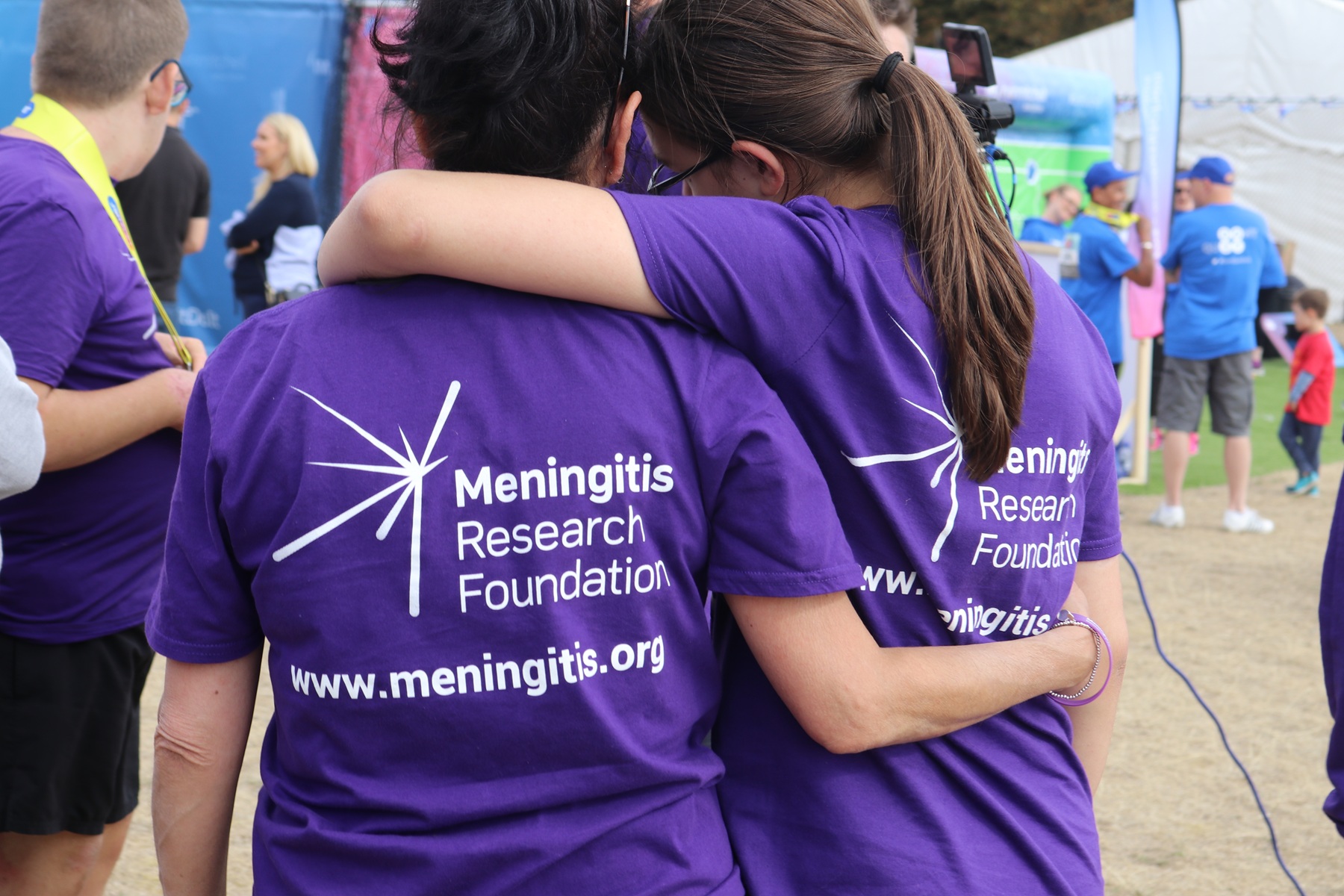
Videos recorded by people whose lives have been affected by meningitis, full of advice, wisdom and guidance.
Support in Wales and some regions of England for people affected by sudden death in young people.
01443 853125
Supporting parents in Ireland and Northern Ireland after bereavement.
+353 (0)1 404 5378
Supporting families through the death of a child, and when a child is grieving.
0800 02 888 40
Supporting people in Scotland through their bereavement and grief.
0808 802 6161
Supporting families in Ireland through sudden bereavement.
+353(0) 1 8732711
Support for bereaved children and young people. Have offices in London and Bristol.
London: bereavementsupport@griefencounter.org.uk | 020 8371 8455
South West: southwest@griefencounter.org.uk | 0117 985 3343
Supporting people in Wales experiencing grief. Has services available in Welsh.
www.mariecure.org.uk/services/wales
0292 267 9740
Support for anyone who’s lost a partner before their 51st birthday.
0300 201 0051
If you can’t find the information you need or have any questions, please contact our Support Services team who will be able to help. Available Monday to Friday, 9am to 5pm, we can speak to you on: