
Ellé Schofield’s story
Viral meningitis changed Ellé’s life at 24. But recovery, hope and resilience have shaped her journey since.
After developing viral meningitis while volunteering in Uganda as a teenager, Esmé reflects on recovery, university and lasting mental impacts.
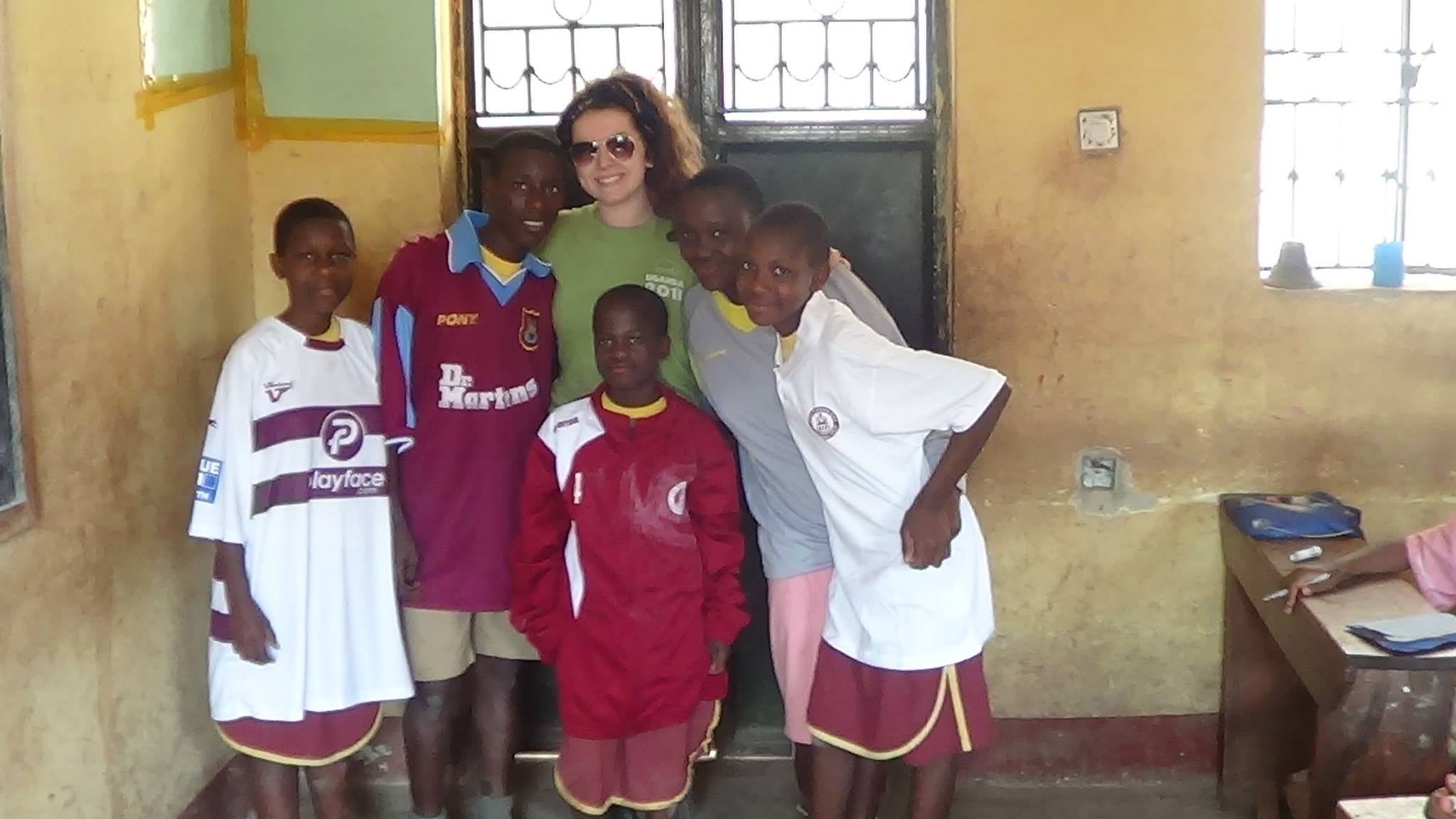
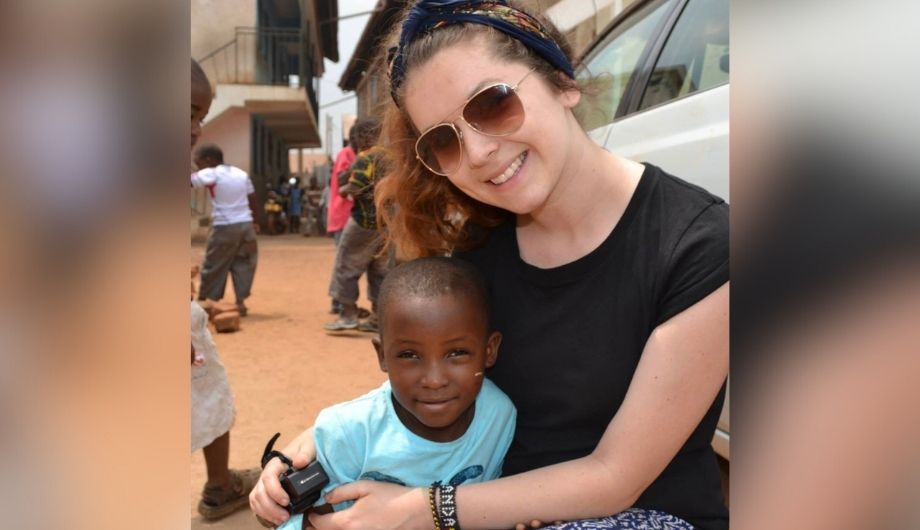
I was seventeen when I developed viral meningitis. At the time, I was on what was supposed to be a life-changing three-week volunteering trip to Uganda with my school. We had spent our days helping at a local orphanage, getting to know the children and soaking in an experience that felt bigger than anything I’d ever done before.
On the day it started, everything felt normal. We’d said our goodbyes to the school children and had a celebratory dinner with the group. But when we got back to the hostel, a sudden migraine hit me out of nowhere. It didn’t feel like a normal headache – it was sharp, heavy and overwhelming. The teachers dismissed it, told me I was being dramatic and sent me to bed.
I woke in the middle of the night feeling violently sick. I was never a child who vomited much, so I knew something was wrong. I spent the next few hours curled over a toilet in the hostel, dizzy and unable to keep anything down.
The next day, I couldn’t get out of bed. I later learned I had a raging fever. I was extremely fortunate to have not had a seizure. The cleaning maid came into the room – she didn’t speak English – but she took one look at me and just said: “Malaria.” That terrified me. My skin had turned a greyish tone. I felt like I was slipping away, quietly, while everyone else carried on as usual.
A few days later, we flew back to the UK. On the plane, I fell asleep on my friend’s shoulder, but she kept nudging me off – I was burning up so much that she couldn’t bear the heat of my skin.
The moment I got home, my parents took one look at me and drove me straight to A&E (accident and emergency). Within five minutes, I was moved from the waiting room to intensive care. Everything happened fast.
That evening, a doctor tried to perform a lumbar puncture, the test they use to diagnose meningitis. She tried three times and couldn’t get it. By that point they weren’t sure if it was malaria, tuberculosis, or something I had never even heard of: meningitis.
They managed to complete the lumbar puncture the next morning. A few days later, after consulting the London School of Hygiene and Tropical Medicine, they confirmed it was viral meningitis. I stayed in hospital for a week, hooked up to an IV for dehydration and sickness, drifting in and out of sleep.
When I was finally discharged, the recovery was slow. I spent weeks in bed, unable to lift my head without triggering a migraine. I felt isolated.
Months later, when I was still exhausted and struggling with memory and concentration, I was referred to a neurologist and diagnosed with chronic fatigue syndrome.
This was right in the middle of my final year of sixth form – a pivotal year for my education. The specialist told me to conserve energy by eating small meals throughout the day, resting often and avoiding anything too physically exhausting. So, my routine became: go to lessons, then come straight home to bed.
I studied for my A-Levels lying down. It was lonely and it was hard. I started taking antidepressants for depression and anxiety as I had PTSD from the whole experience.
I genuinely didn’t think I would pass my A-Levels. I chose to go to The University of Manchester instead of Newcastle because it was closer to my family and I needed support. So, when I got my results and realised that I had not only passed, but passed well enough to get into Manchester, I was stunned. I felt proud for the first time in a long time.
My first year of university was different to everyone else’s – fewer nights out, more resting, more pacing myself. Luckily, I could conceal how I felt by using the age-old excuse of being a teenager who just loved their sleep.
Eventually, the chronic fatigue eased, though it took two to three years. Today, the main lasting effect is tinnitus, and I still get the occasional headache, but life has moved forward.
The experience was challenging, but it taught me a lot about listening to my body, pacing myself and being patient with recovery.
Now, at 29, I still live with some of the emotional impact. I have anxiety and depression that stem from that time, and when I get ill now – even with something small – it can trigger those memories of being unwell and on my own. I also find I get triggered when I don’t feel listened to. It takes me right back to being seventeen, in pain and being dismissed by teachers who thought I was overreacting. It’s something I’ve come to recognise and understand more through therapy, and I’m actively working on it. It’s not something that controls my life, but it’s something I’m continuing to unpack and unlearn.
One story can change a life. 2,030 could change the world. Share yours today.
Viral meningitis changed Ellé’s life at 24. But recovery, hope and resilience have shaped her journey since.
Herbert reflects on living with recurrent meningitis and sharing his story to inspire and give hope to others.
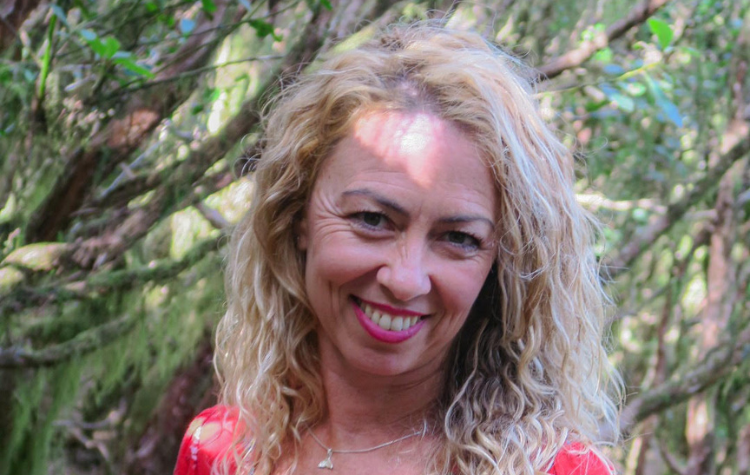
Confederation of Meningitis Organisations (CoMO) member Ana shares her experience with meningitis.