

New research grants target the lifelong impacts of meningitis
The grants are open to researchers based in the UK, Ireland and low- and middle-income countries.
The grants are open to researchers based in the UK, Ireland and low- and middle-income countries.
Less than 1% of global meningitis research funding is spent on understanding the long-term impacts of meningitis.1 This is despite one in five survivors worldwide living with lifelong effects, such as hearing loss, epilepsy, limb loss or brain injury.2,3
To close this critical evidence gap, we’re launching new catalytic grants of up to £50,000 to support research into the lifelong consequences of meningitis at any age.
The call is open to researchers in the UK, Ireland and in low- and middle-income countries (LMICs) at any career stage, with a strong emphasis on supporting early-career researchers as lead investigators.
Our analysis of 2022 global research funding found that while £88 million was estimated to have been invested in meningitis research that year, only 0.56% went towards understanding its lasting clinical, social and economic consequences.1
This research deficit persists despite the well-documented reality that surviving meningitis often brings lifelong challenges, affecting not only individuals but their families, carers and communities.
The consequences extend far beyond physical and neurological symptoms, shaping education, employment, mental health and household finances.
The less severe, but more common, viral meningitis can also have a lingering impact, with 86% of patients reporting anxiety and depression six weeks after being discharged from hospital.4
The need is especially acute in low-resource settings, where meningitis cases and deaths are highest. Yet more than 85% of global research investment in 2022 flowed to high-income countries.1 Through this funding call and our five-year strategy, we’re aiming to shift investment toward countries most affected and least served, without losing momentum on UK research that drives global progress.
Meningitis can leave lifelong consequences that are often invisible but deeply felt by survivors and their families. By funding research into the lifetime impacts of meningitis, we aim to redress the imbalance in global research funding, generate evidence to improve lives, give early-career researchers the opportunity to make a lasting difference, and ensure that no survivor’s long-term experience is overlooked.Dr. Helen Groves, Director of Research, Meningitis Research Foundation
Over more than three decades, we have:
Many early-stage projects funded by us have gone on to transform understanding of meningitis, including supporting evidence for the need for a Group B Strep vaccine, reducing post-traumatic stress in children affected by meningitis, and using pathogen genomics to detect and stop deadly outbreaks.
We are looking to fund new research that:
Projects can focus on any type of meningitis and any form of long-term impact, including physical, neurological, psychological, social, economic, educational or vocational effects.
All applications will be reviewed by both our Scientific Advisory Panel and our Lived Experience Panel, ensuring the research we fund reflects the priorities of people directly affected by meningitis.
Find out more about how to apply now.
These research grants have been made possible because of the generosity of our supporters. If you would like to help fund the future of research into meningitis, including on its lifelong impacts, please make a donation today.
The grants are open to researchers based in the UK, Ireland and low- and middle-income countries.
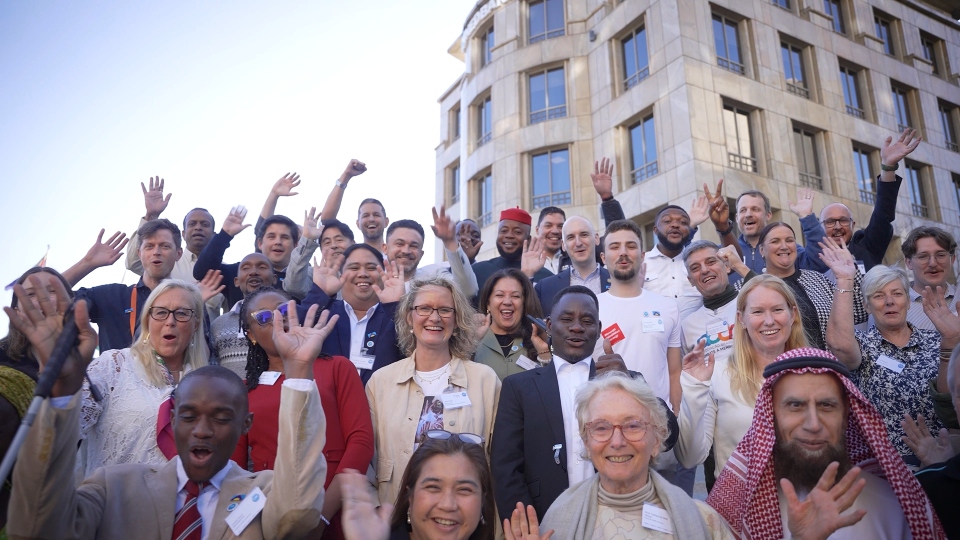
We celebrate a year of impactful advocacy and inspiring member‑led campaigns toward defeating meningitis worldwide.

Our view on the January 2026 changes and the implications for meningococcal vaccination policy.