
Man to run London Marathon after surviving meningitis three times
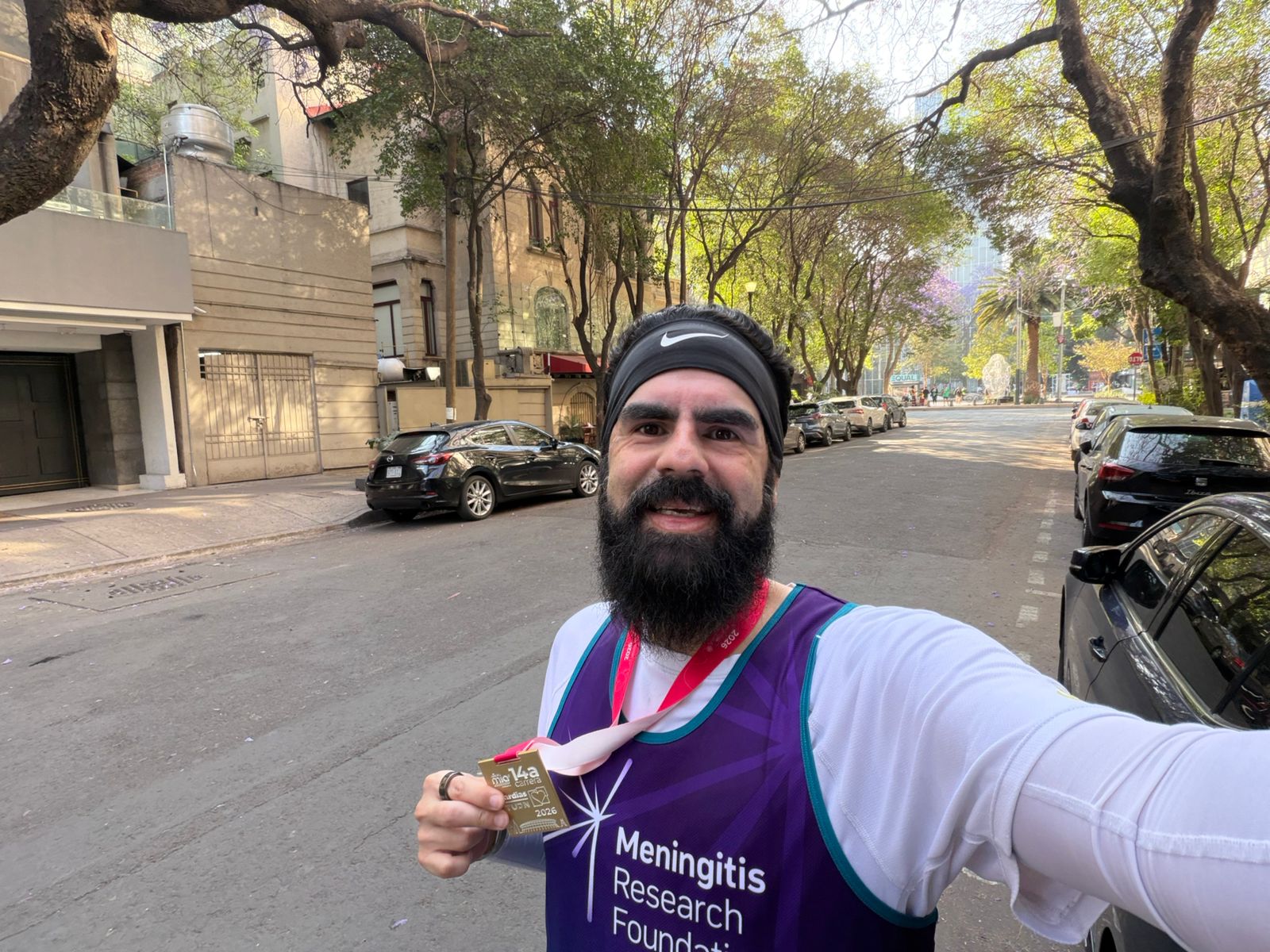
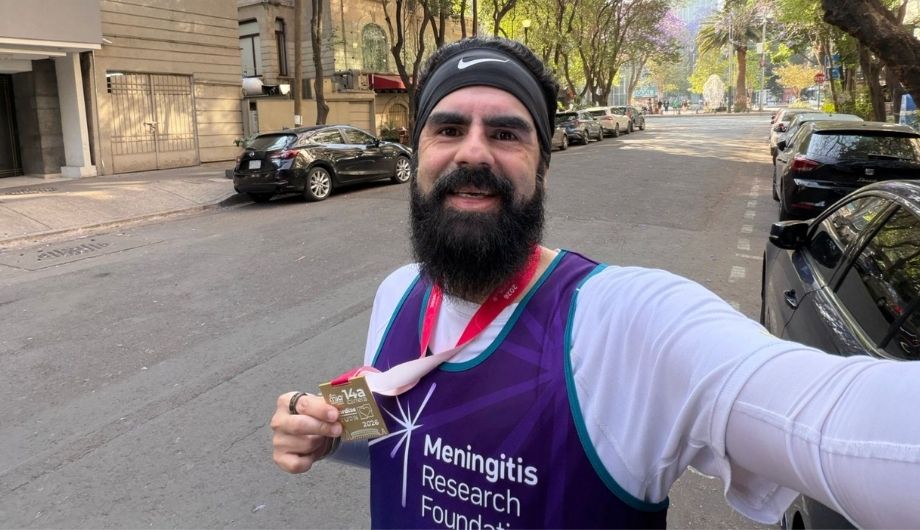
Enrique Chavez Garcia will run for Meningitis Research Foundation, as part of his bid to complete the Six World Marathon Majors.
Enrique Chavez Garcia will run for Meningitis Research Foundation, as part of his bid to complete the Six World Marathon Majors.
A man who survived bacterial meningitis three times in four years is travelling to the UK to take part in the London Marathon for Meningitis Research Foundation. This race marks the penultimate step in his journey towards completing the prestigious World Marathon Majors.
Enrique Chavez Garcia from Mexico will take on the iconic 26.2-mile race to raise funds for the charity and help raise awareness of meningitis, a disease that can kill within hours.
Enrique first became seriously ill in July 2019 when a sudden severe headache and fever led to an emergency hospital admission. He was later diagnosed with bacterial meningitis and required intensive treatment.
After recovering, he went on to run the Berlin Marathon in 2021 and the New York City Marathon in November 2022. However, shortly afterwards, Enrique contracted meningitis for a second time in December 2022, causing him to miss his youngest daughter’s first birthday due to hospitalisation.
Despite recovering again, he fell ill with meningitis for a third time in December 2023. Doctors later discovered a small defect at the base of his skull, which had left him vulnerable to repeated infections.
In January 2024, Enrique underwent major surgery to repair the defect. The procedure forced him to withdraw from the London Marathon later that year. Now, following a period of recovery, he is ready to take on the race in 2026.
Despite everything he has faced, Enrique is determined to complete all the six original World Marathon Majors. Having already run the Chicago Marathon in 2018 and the Tokyo Marathon in 2025, he hopes to complete Boston Marathon in the coming years to earn his Six Star medal.
“I often say that I had meningitis, but my wife lived the meningitis. We are two sides of the same coin. This disease doesn’t just affect the person who becomes ill – it affects everyone around them. Running the London Marathon for Meningitis Research Foundation is my way of turning our experience into something positive and helping raise awareness of the disease,” Enrique said.
Enrique has also shared his story through Meningitis in your words, helping to build the world’s largest digital collection of meningitis experiences. Told in people’s own words, each story helps to foster understanding, offer comfort and, above all, save lives. The goal is to collect 2,030 stories – reflecting the World Health Organization’s (WHO) Global Road Map to Defeat Meningitis by 2030 and highlighting the real-life impact of the disease on families and communities worldwide.
Maya Groom, Senior National Events Executive at Meningitis Research Foundation, said:
“Enrique’s determination to keep going after facing meningitis three times is truly remarkable. His story is a powerful reminder of how serious this disease can be, and why greater awareness is so important.
“It’s incredible to see him channel such a difficult experience into something positive by taking on the London Marathon as part of his wider mission to complete the World Marathon Majors. The funds he raises will help us provide vital support services and fund research that brings us closer to a world free from meningitis.
“This year, more than 200 runners are taking on the London Marathon for Meningitis Research Foundation, with 93% having a personal experience of meningitis. We’re incredibly grateful to Enrique and all our runners who are turning their experiences into meaningful change – raising vital funds and helping shine a spotlight on this disease.”
Enrique Chavez Garcia will run for Meningitis Research Foundation, as part of his bid to complete the Six World Marathon Majors.

Meningitis Research Foundation and Meningitis Now have jointly issued a call to the UK Government to close the MenB protection gap affecting teenagers and young adults.
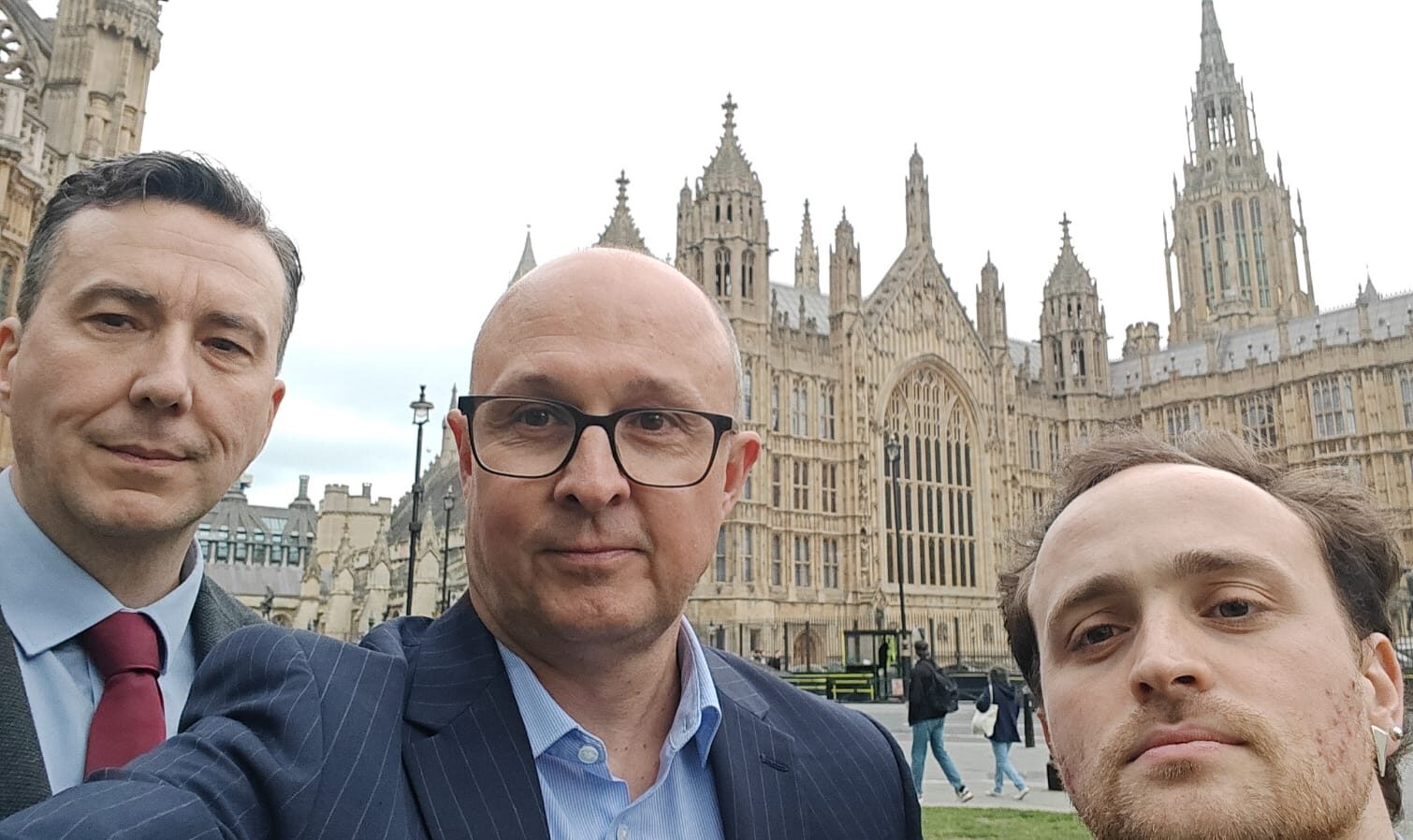
We met MPs and their teams to explain the MenB protection gap and why the Kent outbreak must lead to change.