
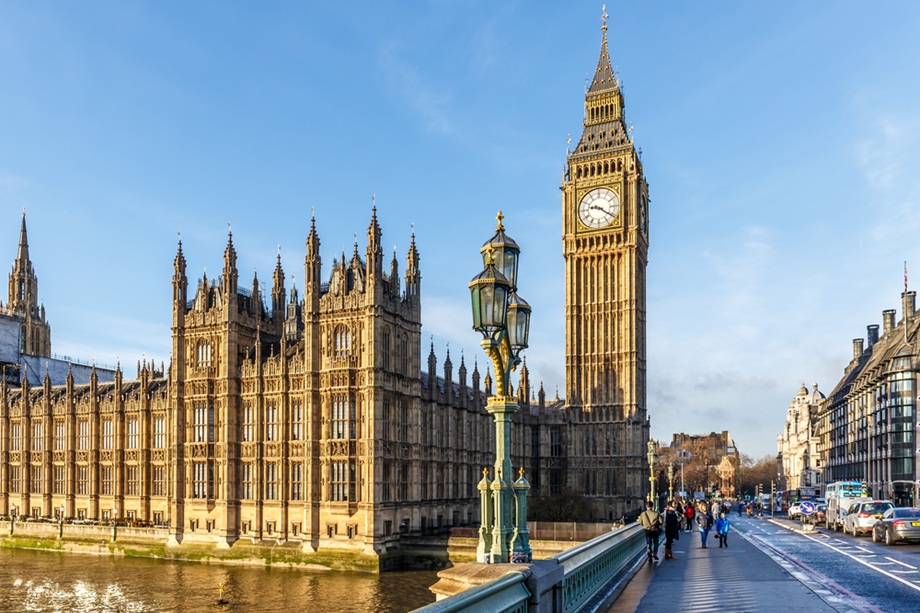
UK meningitis charities urge Government action on MenB
Meningitis Research Foundation and Meningitis Now have jointly issued a call to the UK Government to close the MenB protection gap affecting teenagers and young adults.

Our view on the January 2026 changes and the implications for meningococcal vaccination policy.
On 5 January 2026, the US Department of Health and Human Services (HHS) published changes to the childhood immunisation schedule that reduce the number of vaccines routinely recommended for all children. This has changed how vaccines that protect against meningococcal disease are recommended.
Previously, the MenACWY vaccine was routinely recommended for all adolescents. Under the revised guidance, MenACWY is no longer routinely recommended for all adolescents and is now listed for people at higher risk. However, under the new schedule framework, meningococcal vaccination may still be available for others following discussion with a healthcare professional, known as Shared Clinical Decision Making.
MenB was already not routinely recommended for everyone and was previously recommended for healthy adolescents and young adults following a discussion with a healthcare professional. Under the revised guidance, MenB is also listed for higher-risk groups, with access for others continuing to depend on discussion with a healthcare professional.
We are concerned by changes to the US childhood immunisation schedule that move meningococcal vaccines away from routine recommendations for all children.
Meningitis is a fast-acting and potentially deadly disease, and vaccination is one of the most effective tools we have to prevent lives being lost or permanently changed. Decisions about immunisation schedules must be made through transparent, independent, evidence-based processes, informed by public consultation, including with people affected by the disease, and grounded in local epidemiology.
The US has historically been a global leader in meningitis prevention and maintaining that leadership depends on protecting the integrity of evidence-based vaccine policy. Weakening routine recommendations risks confusion, lower uptake, and more children facing serious, preventable illness.
Meningitis Research Foundation and Meningitis Now have jointly issued a call to the UK Government to close the MenB protection gap affecting teenagers and young adults.
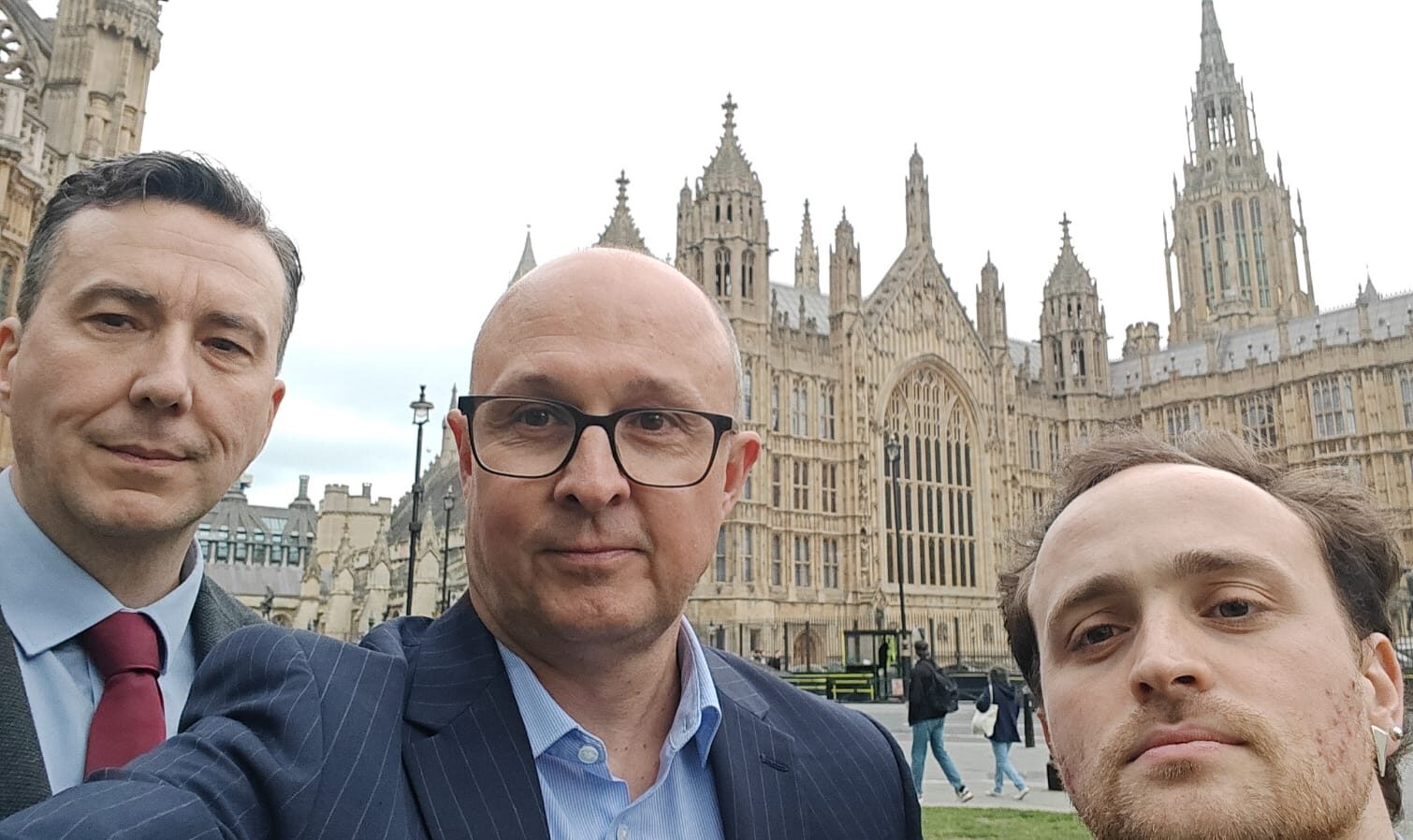
We met MPs and their teams to explain the MenB protection gap and why the Kent outbreak must lead to change.
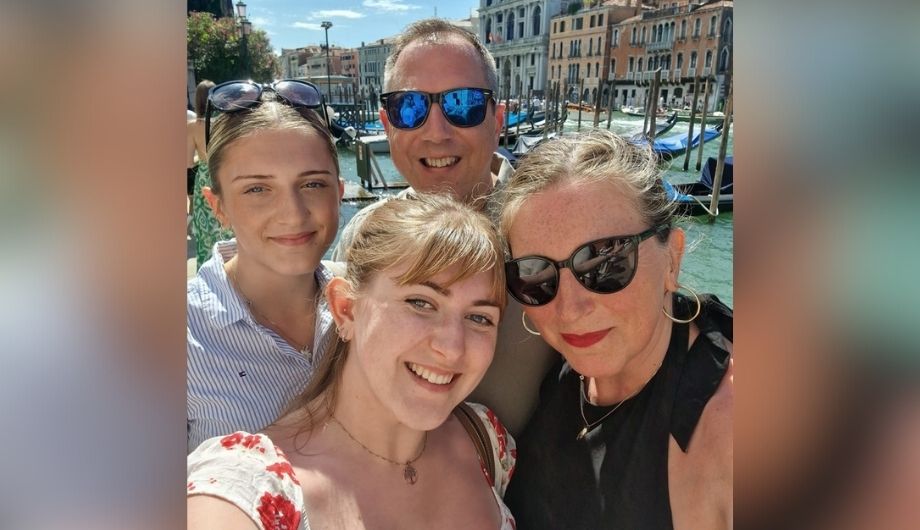
The Kenny family and Meningitis Research Foundation are calling for the UK Government to take urgent action to improve access to MenB vaccination.