How to get support
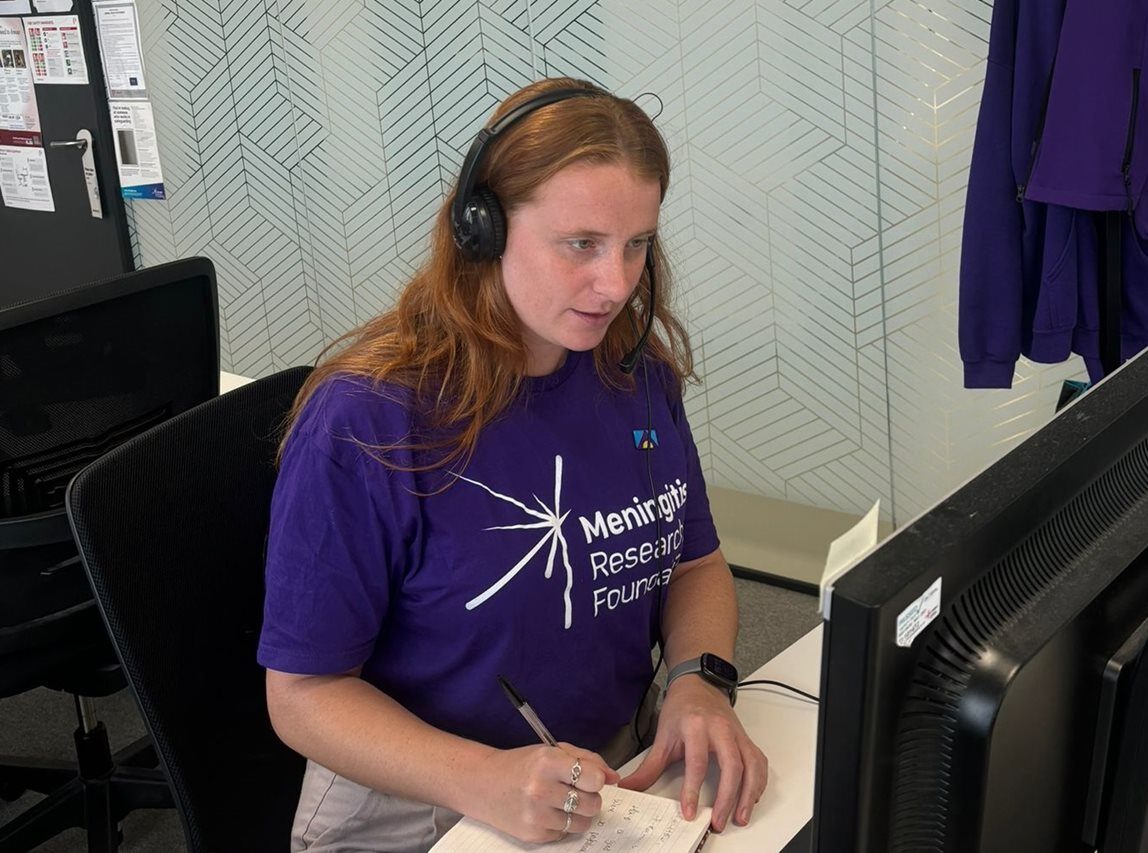
No one should face meningitis alone. Our Support Services team is available to answer questions, give advice and listen to you.
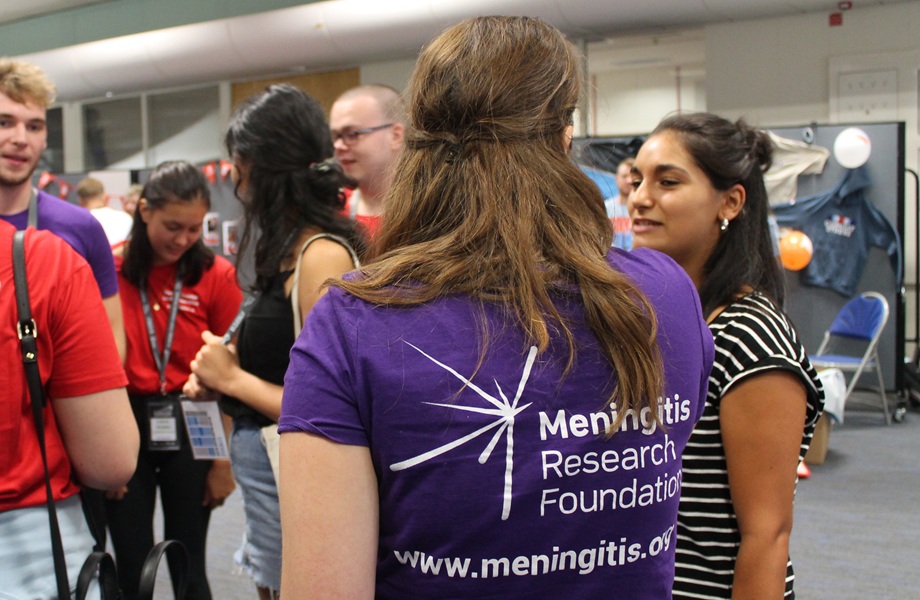
Our priority is supporting everyone affected, or at risk, including teenagers, young adults and their families.
Over the last 48 hours, we have been working hard to respond to the meningitis outbreak in Kent, UK. Our priority is supporting everyone affected, or at risk, including teenagers, young adults and their families.
So far, we have offered information and support to all local universities, schools with sixth forms, and sixth form colleges. We are also answering questions via our dedicated Support Services – on the phone, by email and on live chat. If you can’t get through first time, please keep trying. We will get back to you.
We are working hard to counter misinformation about meningitis, particularly on social media. If you are looking for information online, please use trusted, evidence-based sources (you can find a list of our most relevant resources below).
All our information is written and reviewed by our expert teams and by people who have experienced meningitis. It is designed to answer common questions, from early symptoms and diagnosis to recovery and life after meningitis.
At the time of writing, the UK Health Security Agency (UKHSA) has confirmed that some cases of invasive meningococcal disease in Kent have been identified as group MenB.
Whatever the cause, our advice is the same: make sure you have had all the routine vaccinations you are eligible for. If you’re not sure what you’ve had, check with your GP.
Alongside this, it is also critical to know the symptoms of meningitis. The vaccines available for free in the UK do not protect against every type of meningitis, and the illness can develop quickly. Knowing the signs of meningitis and getting medical help early can be lifesaving.
If you suspect meningitis, trust your instincts and get medical help fast. Early symptoms can look like other illnesses (such as a cold, flu or a hangover), and students may miss the early warning signs.
If you or someone you know develops symptoms, contact your GP, call NHS 111, or dial 999 in an emergency.
There is a MenB vaccine, but it is not yet clear whether it would have protected people in Kent during this outbreak.
In the UK, the MenB vaccine is offered to babies at 8 and 12 weeks, with a booster at age one. This is part of the routine immunisation programme and was introduced to the NHS in 2015, with the schedule changing slightly in 2025.
This means most teenagers and young adults in the UK will not have received the MenB vaccine through the routine immunisation programme. That is why we are calling for better protection for this age group, including improved access to routine MenB vaccination.
Improved access to routine MenB vaccination could help close a critical protection gap for teenagers and young adults, one of the main at-risk age groups in the UK.
MenB makes up the largest proportion of invasive meningococcal disease (IMD) cases in England. Between July 2024 and June 2025, there were 95 lab-confirmed IMD cases in 15- to 24-year-olds. 99% were caused by MenB.
People can pay for the MenB vaccine privately, but we believe teenagers and young adults should have fairer access to better protection against MenB through the NHS. Cost should not be a barrier when we are talking about an illness that can be deadly and leaves 1 in 5 survivors with lifelong disabilities.
We welcome the renewed focus on whether teenagers and young adults are being adequately protected from MenB. That focus includes the comments today from the UK’s Secretary of State for Health and Social Care, Wes Streeting, that the Joint Committee on Vaccination and Immunisation (JCVI) is being asked to look again at the eligibility criteria used for the MenB vaccine.
We have been making the case for better protection for this age group since 2015 and are ready to share evidence again now.
Teenagers and young adults remain an at-risk group, yet most will not have received the vaccine through the NHS. This protection gap has been clear for some time and we should not wait for serious illness and preventable deaths to take action to address it.
What matters now is meaningful change. We want to see the UK government take the policy, funding and implementation steps needed to improve protection against MenB for teenagers and young adults. The time for action is now.
Please note: if you are in the Kent area and looking for the latest guidance, go to the UKHSA website.
What is meningococcal meningitis?
Meningitis and sepsis symptoms in young adults
No one should face meningitis alone. Our Support Services team is available to answer questions, give advice and listen to you.
The grants are open to researchers based in the UK, Ireland and low- and middle-income countries.

Our view on the January 2026 changes and the implications for meningococcal vaccination policy.