Meningitis outbreak in Kent: how we’re responding
Our priority is supporting everyone affected, or at risk, including teenagers, young adults and their families.
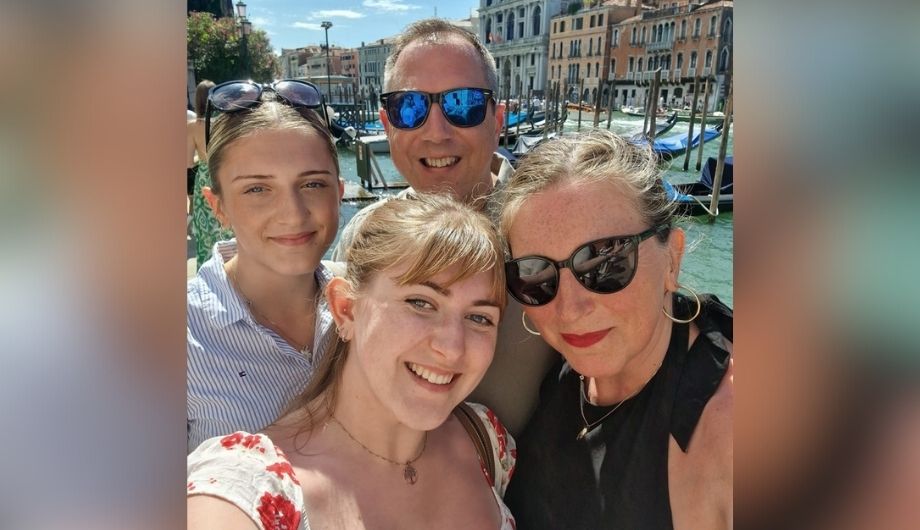
The Kenny family and Meningitis Research Foundation are calling for the UK Government to take urgent action to improve access to MenB vaccination.
Juliette Kenny lost her life to meningitis at 18 years old, falling ill on Friday 13th March at her home in Kent. She died on Saturday 14th March. Her death was one of the first in the UK meningitis outbreak centred on Kent.
The Kenny family are working with us to call for Juliette’s legacy to be better protection from meningitis for all teenagers and young adults in the UK. They want the UK Government to take urgent action to improve access to MenB vaccination for teenagers and young adults now.
For years, the case for wider MenB protection in the UK has not led to a change in the routine immunisation programme. But, as more families across the UK experience the devastating impact of meningitis, Juliette’s family say that the urgent need for better access to a MenB vaccine for teenagers and young adults can no longer be ignored.
Michael Kenny, Juliette’s father, says:
“We are incredibly proud parents to two wonderful daughters. Juliette is a force in this world. With her beautifully positive energy she spread fun, love and happiness to those around her and she continues to do so now. The devastation of her loss to us, her family and friends is immeasurable. Sharing stories of the empathy, warmth and fun that she created is helping her family and friends through at this time. Her energy continues to make the people who love her find a way.
The illness took her from us so quickly. On Thursday 12th March, she successfully completed a practical element of her P.E. A-level. She was fit, healthy and strong. In the early hours of Friday 13th Juliette vomited. There were no other symptoms at this time. In the morning on Friday, she was taken, by us, to our local emergency drop-in as a discolouration appeared on her cheeks. She was given antibiotics and sent by ambulance to A&E. Juliette fought bravely for hours, but despite the fantastic NHS hospital staff fighting alongside her, meningitis took her from us less than 12 hours later. We were with her at the end, and the last sounds that she heard were the voices of those who loved her telling her how very much loved and cherished she is.
No family should experience this pain and tragedy. This can be avoided. There are young people currently battling this and young people still at risk.
As parents, we knew our children would change the world and be a force for good. The work to protect young people has started. It needs to be more. Juliette’s impact on this world must be lasting change. Now is the time to ensure families are safe from the impact of meningitis B.”
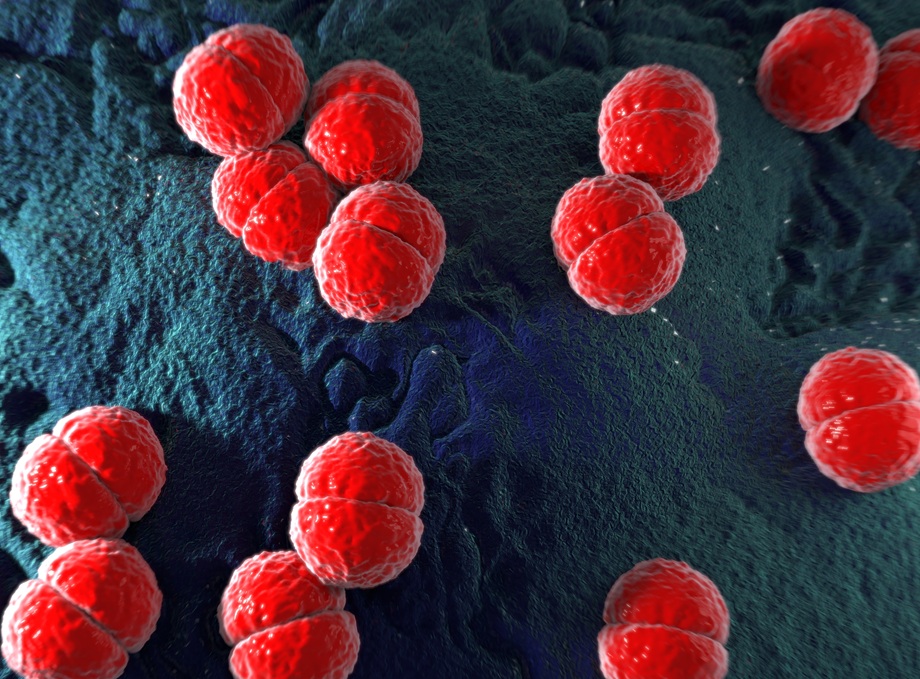
Juliette died from Group B meningococcal septicaemia, often referred to as MenB. MenB is a serious bacterial infection which can lead to meningitis and sepsis. It is one of the groups of invasive meningococcal disease (IMD) caused by the bacterium Neisseria meningitidis. It is a serious life-threatening infection and can, as so tragically happened to Juliette, be fatal.
Like many families, the Kenny family were not aware that MenB vaccination is not routinely available on the NHS for teenagers and young adults, and that to have this they would need to pay for vaccination privately. Whilst the Kenny family do not know if the MenB vaccine given to babies in the UK (and available privately to other age groups) would have saved Juliette’s life, they do want others to have the protection it can offer.
Meningitis Research Foundation and the Kenny family want teenagers and young adults to have fairer access to better protection against MenB. The best way to achieve this is to extend routine NHS access to MenB vaccination, so that it includes teenagers and young adults. This would help close a critical protection gap for one of the main at-risk age groups in the UK.
We believe the ability to pay should not be a barrier when protecting against an illness that can become life-threatening within hours and that leaves 1 in 5 survivors with lifelong disabilities. Relying on parents and caregivers to know and understand the different vaccines available for meningitis, and which they can access via the NHS and which privately, cannot continue.
We have been making the case for better protection for teenagers and young adults since 2015 (when a MenB vaccine was first introduced into the UK’s routine immunisation schedule for babies). This protection gap for teens and young adults has been clear for some time; neither ourselves nor the Kenny family believe it should have taken serious illness and deaths to prompt action.
Vinny Smith, our Chief Executive, says:
“When we made the case for MenB vaccination to be routinely available on the NHS in 2015, for all at-risk age groups, wider protection for teenagers and young adults was not taken forward (it was judged to not be cost-effective within the criteria used at the time). Our concern, then and now, is that this has not fully reflected the impact of MenB or the full value protection from a vaccine brings. It hasn’t accounted for the severity of meningitis, its lifelong impact, or the trauma and bereavement experienced by families. People across the country will have seen that impact this week; we believe the UK Government can decide now to save lives and limit the lifelong disabilities caused by meningitis, protecting people for generations to come.”
We are ready with evidence on this for the UK Government. The Kenny family urge them to listen to this and to the experience of people whose lives have been profoundly altered by meningitis. Meaningful change is what matters now; this can be Juliette’s legacy.
The Kenny family wish to be left alone to grieve in private and ask that all journalists respect their privacy. They are not available for interview and will not be making any further comment to the press. Meningitis Research Foundation has a spokesperson available (requests via media@meningtis.org). The image used in this story has been released by the family. Please note there are no other photos or video available for the media.
In England, MenB makes up the largest number of IMD cases. Between July 2024 and June 2025, there were 95 lab-confirmed IMD cases in 15- to 24-year-olds. 99% were caused by MenB.
Our priority is supporting everyone affected, or at risk, including teenagers, young adults and their families.
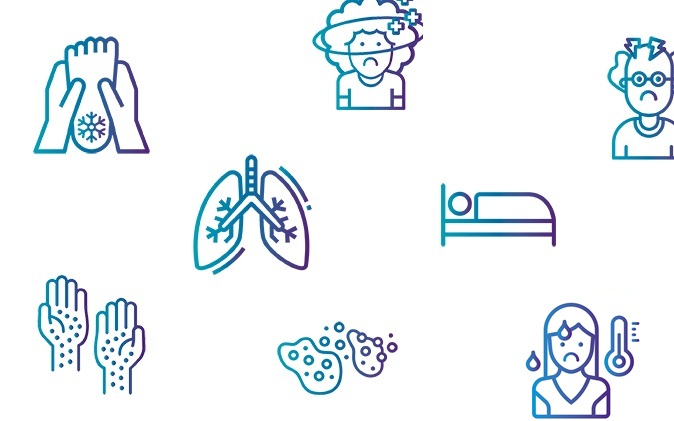
Meningitis and sepsis can kill in hours, so it’s very important you know the symptoms and can spot them early. Learn about them here.
How do you get meningitis and is it contagious? Find out how bacterial and viral meningitis spread, what close contact means and what to do if you’re worried.