Get support
No one should face meningitis alone – our Support Services are here for you and your family.
How do you get meningitis and is it contagious? Find out how bacterial and viral meningitis spread, what close contact means and what to do if you're worried.
Meningitis is the swelling of the lining around the brain and spinal cord. The swelling is usually caused by germs entering the body.
Different germs can cause meningitis. These include bacteria, viruses and fungi.
Some of the germs that cause meningitis can spread from person to person. But meningitis does not spread in the same way in every case.
How contagious meningitis is depends on the germ causing it. Most cases happen on their own. It is rare to catch meningitis from someone who has the disease.
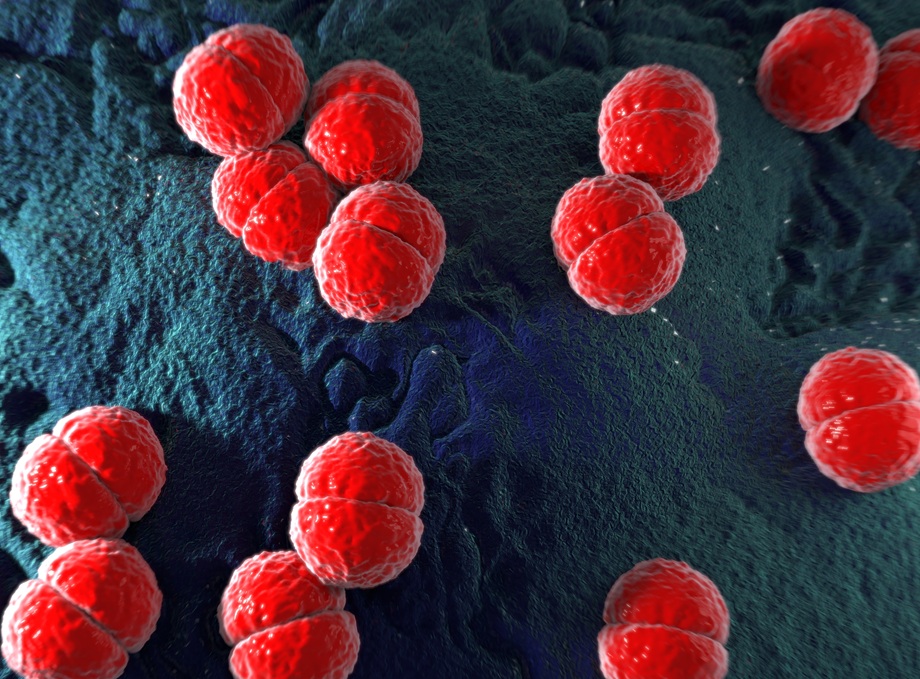
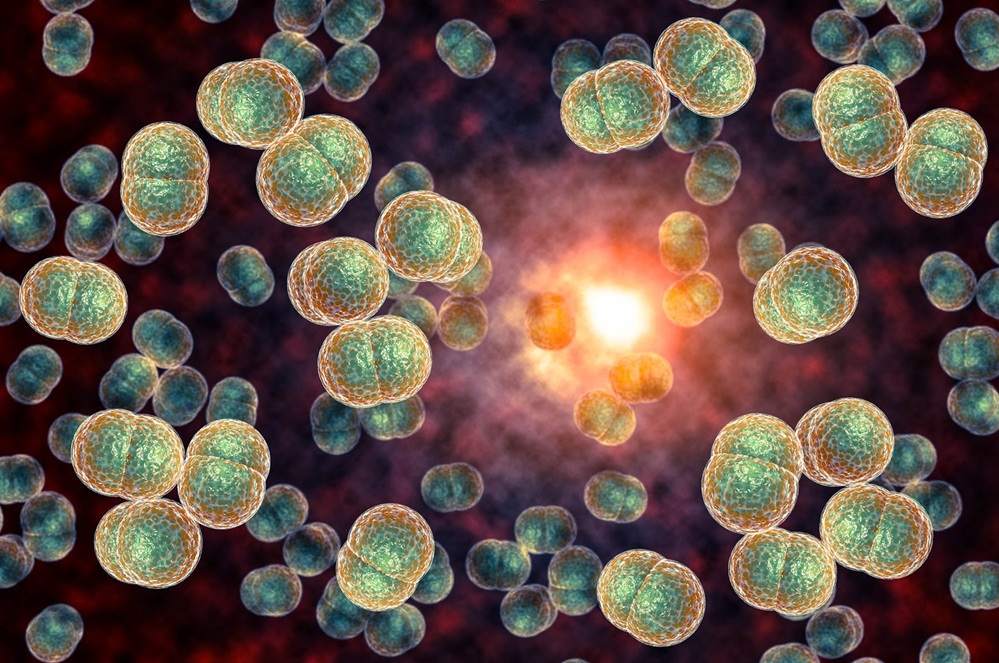
Bacterial meningitis is meningitis caused by bacteria. One common type is meningococcal meningitis, which is caused by meningococcal bacteria.
These bacteria are common. About one in ten people carry them in the back of their nose and throat without knowing it. Most people who carry them never become ill.
The bacteria typically spread through very close or regular contact. This can include coughing, sneezing, kissing or living closely together.
Viral meningitis is caused by viruses. These can spread through coughing and sneezing, poor hand hygiene or contact with infected bodily fluids, depending on the virus.
Sharing drinks, cigarettes, food or vapes can increase the chance of passing on germs that can cause meningitis. This is because they can carry saliva. It is best not to share them.
Good hand washing can help stop some infections spreading, especially viruses. But hand washing alone cannot prevent meningitis.
Face masks may help reduce the spread of some germs in some situations. But they are not the main way to stop meningitis spreading.
Close, prolonged contact usually means more than briefly being near someone. It can include:
Public health teams use national guidance to decide who may be at increased risk.
Public health teams typically follow up on confirmed cases of bacterial meningitis. They decide who may be at higher risk and contact those people directly. This is called contact tracing.
Some close contacts may be offered antibiotics. This helps kill the bacteria and reduce the chance of more cases.
After one MenB case, close contacts are not usually offered MenB vaccination, but people with some medical conditions that put them at higher risk may need extra support and advice.
If there are two or more linked MenB cases in the same household or shared living setting within four weeks, close contacts are usually offered MenB vaccination as well as antibiotics.
If you are in the UK and think you have been in close contact with someone with meningitis but have not been contacted by the UK Health Security Agency (UKHSA), you can contact your GP or NHS 111 for advice.
Meningitis can be hard to spot because, in its early stages, the symptoms can look like other illnesses, including a bad cold, flu or even a hangover. If you are worried that you or someone you know may have meningitis, get medical help immediately (in the UK, contact your GP, NHS 111 or, in an emergency, 999). Always trust your instincts and get medical help fast. Do not wait for a rash.
Vaccines are the best way to help protect against some types of meningitis. It is vital to keep your vaccinations up to date and to know that vaccination cannot protect you against every type of meningitis. That is why it is also important to know the symptoms to watch out for.
In the UK, different vaccines protect against different types of meningitis. The MenACWY vaccine is especially important for teenagers and young adults and is given via the routine immunisation schedule. The MenB vaccine is part of the routine immunisation schedule for babies but it is not routinely available for teenagers and young adults. Some people choose to get a MenB vaccination privately.
No one should face meningitis alone – our Support Services are here for you and your family.
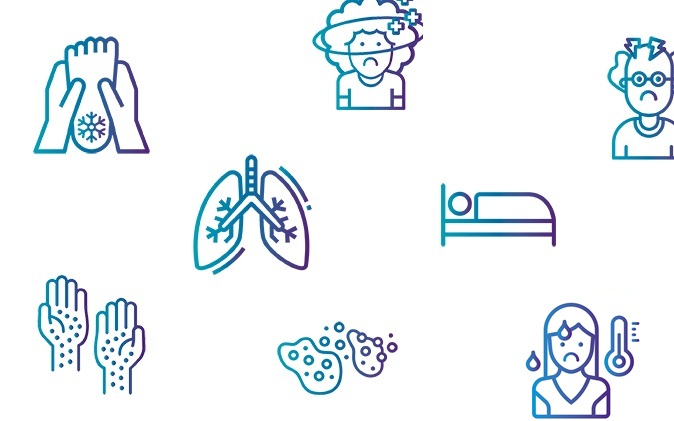
Meningitis and sepsis can kill in hours, so it’s very important you know the symptoms and can spot them early. Learn about them here.
Meningitis is a serious, often life-threatening illness that can kill in hours. Find out more about the disease here.