
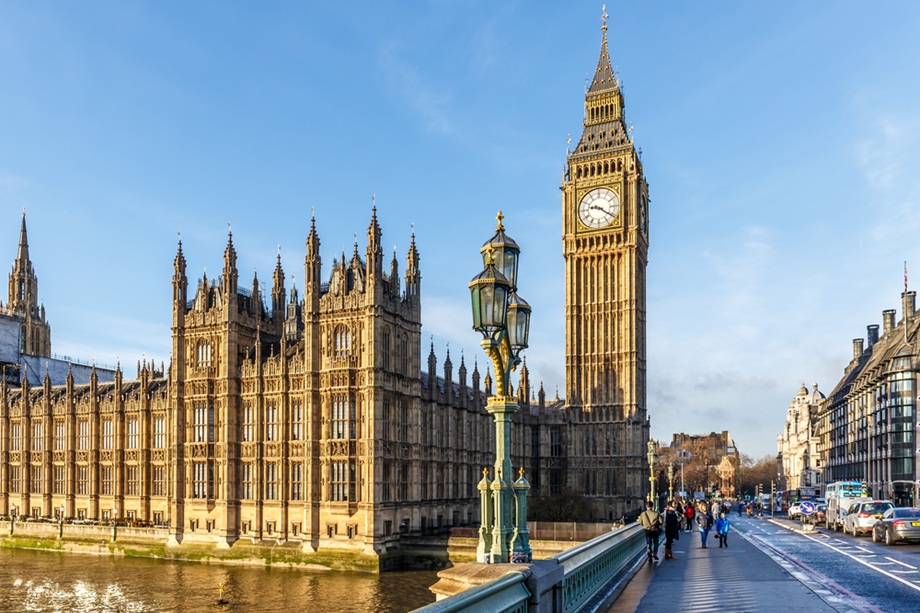
UK meningitis charities urge Government action on MenB
Meningitis Research Foundation and Meningitis Now have jointly issued a call to the UK Government to close the MenB protection gap affecting teenagers and young adults.

To understand how, we take a closer look at how MenB vaccines are made.
There is growing evidence to suggest that vaccines licensed to protect against meningitis and septicaemia caused by meningococcal B (MenB) infection, can also offer some protection against strains belonging to other meningococcal groups.
To understand how this is possible, we need to take a closer look at how MenB vaccines are made.
Bexsero® is a MenB vaccine given to babies in the UK at two, four and 12 months of age. Most meningitis vaccines are what is known as ‘conjugate’ vaccines: made by fusing the harmless sugar coat of a bacterium to a carrier protein which enhances the effect of the vaccine.
The MenB vaccine couldn’t use this approach because the sugar coat of MenB is too similar to cells already in our body. This means that our immune system would not produce a response to a conjugate MenB vaccine, leaving us unprotected. Because of this, Bexsero® was instead developed using four proteins found on the surface of most MenB bacteria.
But these proteins aren’t just unique to MenB. They may also be found on the surfaces of other types of meningococcal bacteria. This is critical to the vaccines ability to offer some protection against other meningococcal strains.
Uncovering this effect has however been challenging, as just a few weeks before implementing an infant MenB programme, the UK also introduced a MenACWY vaccine for teenagers following a steep rise in cases of a new deadly strain of MenW. Therefore, it was difficult to measure the impact of the MenB vaccine on MenW disease.
Due to being made differently, there are variations in how these two vaccines work. For example, so far, Bexsero® has only been proven to directly protect vaccinated individuals, whereas MenACWY vaccines also have indirect effects by stopping the bacteria from being carried in the back of the nose and throat and so reducing the spread. By vaccinating teenagers, the group most likely to carry and unknowingly pass the bacteria on, the chain of transmission is broken: protecting the wider population in an effect known as ‘herd’ or ‘population protection.’
Researchers at Public Health England recently undertook the difficult task of distinguishing the direct effects from the MenB vaccine on MenW disease, on top of any indirect impact offered by the teenage MenACWY programme.
Their work revealed that in the four years since its introduction, Bexsero® has directly prevented 98 MenW cases in children under five, while the teenage MenACWY programme has prevented in the region of 114 to 899 cases, depending on which scenario was used in the model. If it was assumed that MenW cases would level off over time, the MenACWY vaccine was estimated to prevent fewer cases, while vaccine impact was greater if it was assumed that cases would continue to increase at the same exponential rate as they were before the vaccine was introduced.
Overall in England there was a 69% reduction in MenW cases in children eligible to receive MenB vaccine. This impressive non-specific effect, provides the first real-world evidence that Bexsero® does protect against some MenW disease.
This evidence is consistent with the findings of earlier lab studies which found that the antibodies induced by Bexsero® could kill the deadly MenW strain that was responsible for the outbreak seen in the UK and elsewhere in the world.
In addition to Bexsero®, there is another MenB vaccine approved for use in the over 10’s, called Trumenba® which can be purchased privately in the UK.
Trumenba® is also made from proteins, but unlike Bexsero®, it’s based on two variations of just one protein. So far evaluations of this vaccine have predominately focused on MenB disease, however researchers have highlighted the potential for the vaccine to protect against different groups of meningococcal disease – including some strains of MenC.
The impact of MenB vaccines will critically depend on the proteins the vaccine targets being present in high enough amounts on the surface of bacteria circulating in the population. However, the discovery that Bexsero® can offer wider direct protection beyond their designed remit, will make important contributions to the cost effectiveness evaluation of the introduction of MenB programmes globally.
Meningitis Research Foundation and Meningitis Now have jointly issued a call to the UK Government to close the MenB protection gap affecting teenagers and young adults.
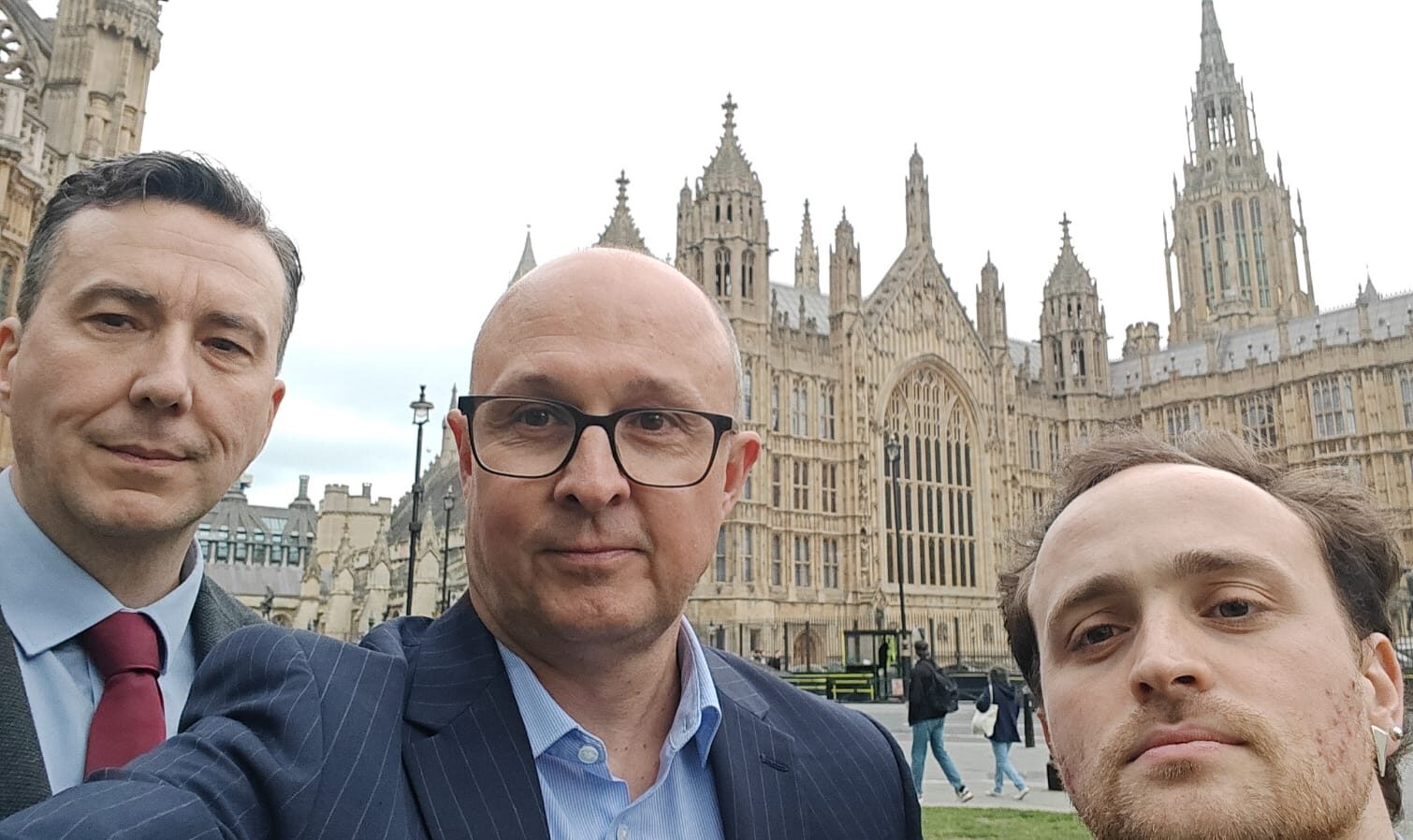
We met MPs and their teams to explain the MenB protection gap and why the Kent outbreak must lead to change.
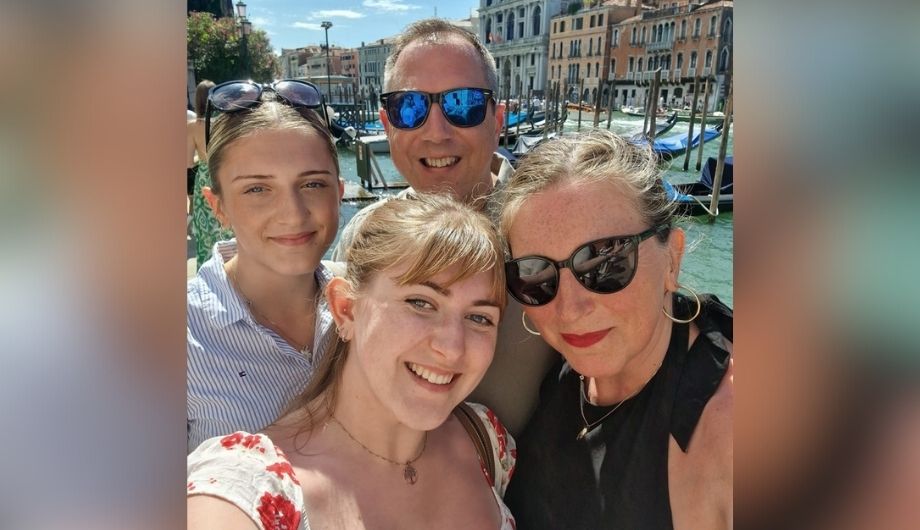
The Kenny family and Meningitis Research Foundation are calling for the UK Government to take urgent action to improve access to MenB vaccination.