

UK meningitis charities urge Government action on MenB
Meningitis Research Foundation and Meningitis Now have jointly issued a call to the UK Government to close the MenB protection gap affecting teenagers and young adults.

We take a look back at some of our research highlights from the past 30 years.
Having invested over £19 million funding vital scientific research since 1989, we take a look back at some of our research highlights over the past 30 years; from supporting the development of life saving vaccines, to helping transform the way that Doctor’s diagnose and treat meningitis and sepsis.
Research is a vital part of our mission to defeat meningitis, and it is thanks to the support of our dedicated members and supporters that we can continue to fund groundbreaking projects that address some of the most important issues faced in the field of meningitis and septicaemia today.
Here’s a few of the questions our research has helped answer over the years, as well as a few we’re still working on now.
Raising awareness of the signs and symptoms of meningitis is a critical part of our role. It was in fact MRF funded research that first identified the red flag early symptoms of meningococcal sepsis as being cold hands and feet, limb pain and pale or mottled skin.
Investigating whether our genetics play a part in meningitis is a key research question. That’s why we have supported research into this area since 1995. Using DNA samples provided from our members and supporters, researchers have identified genes which appear to influence someone’s risk of getting meningitis and/or septicaemia, and genes which determine how severe the outcome could be. In the future this may help explain why only a small proportion of people are affected by the disease.
The Meningococcal Genome Library’1 commissioned in 2011 had its finest hour almost immediately, revealing a steep rise in MenW cases in England and Wales was driven by a particularly deadly strain of bacteria, originating from South America. This discovery led to the routine introduction of MenACWY vaccination for teenagers in the UK; stopping this deadly disease in its tracks.
In 2017 a team of expert modellers revealed that a future GBS vaccine would be cost effective2 for the NHS to use in pregnant women. UK decision makers can only recommend vaccines that are cost effective, so undertaking this vital work before a GBS vaccine is licensed means that once a vaccine is ready, the UK will be more prepared to launch a live saving immunisation programme, to protect women and their newborn babies against GBS.
While pneumococcal vaccines have had a profound impact, globally, pneumococcal disease remains a major killer, especially among children. Affordable vaccines which offer widespread protection are therefore urgently needed. That’s why we are proud to have supported the discovery of numerous pneumococcal vaccine candidates; some of which are still being pursued today.
After MRF funded research discovered delays and variability in the treatment of bacterial meningitis in babies, a teaching package was developed to improve recognition and management, with great results; after completing the online e-tool, one Doctor commented that ‘even an experienced paediatrician will learn something new.’
Currently a lumbar puncture (LP) is the only way to definitively diagnose meningitis, so the quicker an LP is done, the quicker a patient can be appropriately treated. Yet recent research found that it was typically taking up to 17 hours for an LP to be performed in patients with suspected meningitis. These alarming findings have led to a national audit to try and speed up care for patients. What’s more, samples collected from this study are now being used to validate a rapid diagnostic blood test that aims to quickly distinguish bacterial and viral meningitis.
With your support, we’ll be able to continue funding life saving research projects like these, and defeat meningitis wherever it exists.
1A genome contains an organism’s complete set of DNA. Each strand of DNA consists of 4 chemical bases: A, T, C, G. The order of these bases is unique for each type of meningococcal bacteria, we sometimes call this a ‘genetic blue print’. Whole genome sequencing is a revolutionary technology that quickly works out the exact order (sequence) of the DNA bases. Knowing this can tell us critical information about the bug, including whether or not it is resistant to antibiotics.
2Cost-effectiveness analysis compares the costs of an intervention (such as a vaccination programme) with the health benefits (such as lives saved or disabilities prevented). This information helps policy makers decide how we can buy the most health with limited NHS resources.
Meningitis Research Foundation and Meningitis Now have jointly issued a call to the UK Government to close the MenB protection gap affecting teenagers and young adults.
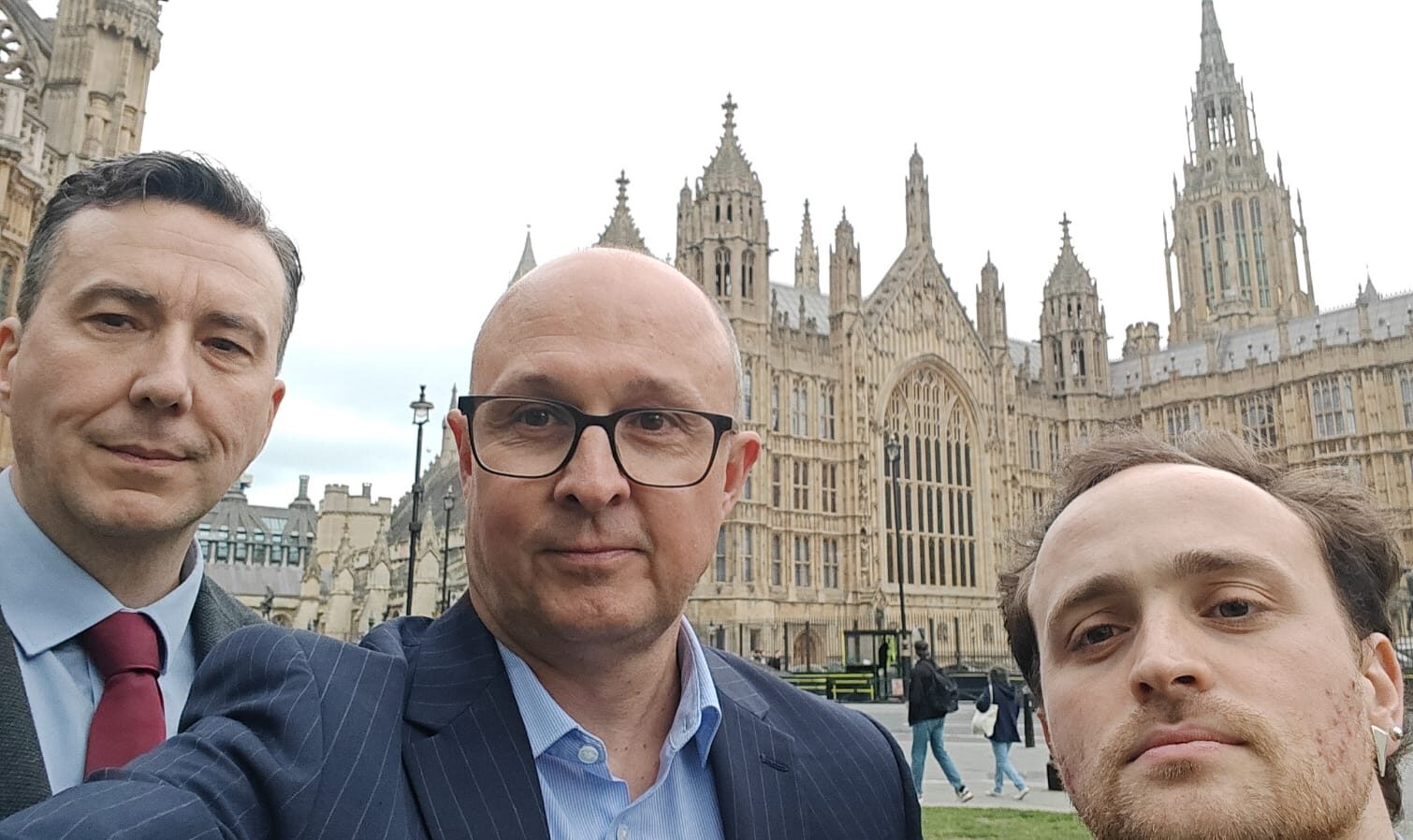
We met MPs and their teams to explain the MenB protection gap and why the Kent outbreak must lead to change.

The Kenny family and Meningitis Research Foundation are calling for the UK Government to take urgent action to improve access to MenB vaccination.