

Key facts
- Cryptococcal meningitis is rare in healthy people, but it’s more likely to affect people with weakened immune systems, such as those with advanced HIV.
- It’s the most common cause of fungal meningitis globally.
- It’s caused by breathing in fungal spores from the environment.
- Cryptococcal meningitis is a potentially fatal disease.
- Antifungal medicines are used to treat this form of meningitis.
What is cryptococcal meningitis?
Cryptococcal meningitis is an infection of the membranes, called meninges, that cover and protect the brain and spinal cord. It’s caused by the fungus Cryptococcus.
Cryptococcal meningitis occurs when the fungus invades the body and enters the cerebrospinal fluid (CSF), which surrounds and cushions the brain and spinal cord. In the CSF the fungus can cause inflammation and swelling in the meninges. This increases pressure on the brain, producing symptoms of meningitis.
- Cryptococcal meningitis is estimated to cause around 112,000 deaths worldwide every year, mainly in people in Africa with advanced HIV.1
- Cryptococcal meningitis causes about 19% of all AIDS-related deaths globally.2
What are the symptoms of cryptococcal meningitis?
In cases of cryptococcal meningitis, symptoms tend to appear more gradually than with other types of meningitis. They can sometimes progress over several weeks.
Early symptoms of cryptococcal meningitis can look like milder, more common infections.
Symptoms may include:
- Fever.
- Vomiting.
- Severe headache.
- Stiff neck (less common in young children).
- Dislike of bright lights.
- Seizures (fits).
- Confused / delirious.
- Very sleepy / vacant /difficult to wake.
Symptoms in babies and very young children can be slightly different. Their symptoms may include:
- High temperature (warning: could be normal or low in babies under three months old).
- Irritability.
- Vomiting / refusing to feed.
- A high-pitched cry.
- A stiff body with jerky movements or else floppy and lifeless.
- Very sleepy / staring expression / too sleepy to wake up.
- Tense or bulging soft spot on the top of their head.
Not everyone with meningitis will get all these symptoms.
Check regularly on someone who is unwell. Always trust your instincts and get medical help straight away if you or someone you know is seriously ill.
How do you get cryptococcal meningitis?
There are two main types of fungus that can cause cryptococcal meningitis:
- Cryptococcus neoformans is the most common cause of cryptococcal meningitis. This fungus is found all over the world in soil, particularly if it contains large amounts of bird droppings.
- Cryptococcus gatti can also cause cryptococcal meningitis. But it’s more likely to affect the lungs and cause infections such as pneumonia. The fungus is found in soil in tropical and sub-tropical areas of the world such as Australia, British Columbia, Canada, the Pacific Northwest of the USA, parts of South America and Africa.3
Cryptococcus can get into your body if you breathe in air and dust particles that contain the fungus. Most of the time, people who are exposed to the fungus don’t develop symptoms or become sick.
In people with weakened immune systems, Cryptococcus can live in the body for weeks or months without causing symptoms. These infections can go on to cause severe illness years later. This is particularly the case for people with advanced HIV or AIDS.
Who can get cryptococcal meningitis?
Cryptococcal meningitis can affect anyone, but people with weakened immune systems are at higher risk of the disease.4 This includes people with:
- HIV.
- AIDS.
- Diabetes.
- Cancer.
- Autoimmune disease.
- Decompensated liver cirrhosis.
Other conditions and factors can increase the risk of developing cryptococcal meningitis, such as:
- Recent organ or bone marrow transplant.
- Medications that weaken the immune system.
How is cryptococcal meningitis treated?
You will receive antifungal medication if you have cryptococcal meningitis.
When you get to hospital the doctor may do a lumbar puncture (LP) to help diagnose meningitis. A lumbar puncture involves taking a sample of cerebrospinal fluid (CSF) from the spinal canal (the space through the back bones which contains the spinal cord). A lumbar puncture is important to confirm the diagnosis of meningitis. It will also show which germ is causing the illness so doctors can choose the most appropriate treatment.
If you’re diagnosed with cryptococcal meningitis, you’ll be treated with high doses of anti-fungal medication that are usually given directly into a vein (intravenously). This is often combined with anti-fungal medicine that needs to be taken orally, usually for a longer period of time, to help prevent the infection from coming back.
People who have cryptococcal meningitis need to take antifungal medication for at least twelve months. Some patients may need to take medication for the rest of their lives to prevent the infection from coming back.
Approximately 50-70% of patients with cryptococcal meningitis have raised intracranial pressure (raised pressure around the brain). To relieve this pressure, many treatment guidelines around the world recommend that patients have the fluid around the brain (CSF) drained by performing multiple lumbar punctures. Raised pressure might also be relieved by inserting a shunt which helps drain excess fluid away.5
What are the after-effects of cryptococcal meningitis?
Cryptococcal meningitis affects everyone differently. Most people make a full recovery without any lasting problems. But in some cases, it can cause ongoing problems which may need further treatment and support.
The possible after-effects of cryptocococcal meningitis include:6,7,8,9
- Learning and intellectual disabilities such as memory loss, lack of concentration or issues with thinking and problem solving.
- Clumsiness and co-ordination problems.
- Headaches.
- Deafness, hearing problems, tinnitus, dizziness or loss of balance.
- Epilepsy or seizures.
- Weakness, paralysis or spasms.
- Loss of sight or vision problems.
- Hydrocephalus (fluid on the brain).
- Mental health issues and changes to personality or behaviour.
- Difficulties with sleep.
- Fatigue.
- Anxiety and depression.
- Repeated infection by Cryptococcus.
- Renal impairment (kidney problems).
It’s estimated that as many as 70% of survivors will suffer long term problems with thinking, learning, memory, motor, visual and/or hearing function. This is seen in survivors of cryptococcal meningitis with or without HIV, and regardless of where in the world they live.10
The anti-fungal drugs used to treat cryptococcal meningitis may themselves have serious side effects, so it’s important for their use to be monitored carefully.
Is there any follow-up care after recovery from cryptococcal meningitis?
Before you leave the hospital, it’s important that you’re given information about what to expect during recovery. This should include any plans for future treatment you may need. It’s also important to understand what support is available to you when you leave hospital.
If complications following cryptococcal meningitis are identified, then follow-up care may involve physical, occupational, sensorial and cognitive rehabilitation therapy, depending on the problem. Unfortunately, access to these services is often limited in many low- and middle-income countries.
Can we prevent cryptococcal meningitis?
Although it isn’t always possible to prevent cryptococcal meningitis, there are things that may help to reduce the chance of developing the disease.
It’s advisable for people with weakened immune systems to protect themselves from exposure to the fungus. They should try to avoid situations and activities that expose them to dirt or dust. Although it can be difficult to avoid breathing in the fungus because it’s common to the environment all around us, it’s important to remember that most people who breathe in cryptococcus never get sick from it.
Screening for people at a high risk of cryptococcal meningitis can significantly reduce the incidence of the disease.
- It’s possible to test whether a person has been infected by Cryptococcus without them even showing any signs or symptoms of the disease. People who test positive for the fungus can start antifungal medication to fight the infection and prevent it from progressing to meningitis.
- If you’re at high risk of cryptococcus meningitis then your healthcare provider might recommend treating you with antifungal medication. This can help to prevent you becoming ill if you get exposed to the fungus.
Can I get a vaccine to protect me against cryptococcal meningitis?
Currently, there are no vaccines available that prevent cryptococcal meningitis.
Frequently asked questions about cryptococcal meningitis
Most people who get cryptococcal meningitis will survive. The survival rate depends on where in the world you live. In high-income countries, where appropriate treatment is widely available, around two out of ten people who get cryptococcal meningitis will die within one year. But in low and middle income countries, where access to treatments are limited, as many as seven out of ten people may die from the disease.11,12,13
People with HIV are less likely to survive than those who are HIV negative, but access to antiretroviral therapy (ART) can greatly improve outcomes for people who are HIV-positive with cryptococcal meningitis.14
No, cryptococcal meningitis isn’t contagious. You can’t spread or contract the disease from another person who has cryptococcal meningitis.
Author: Meningitis Research Foundation.
Reviewed by: Natalie King, Meningitis Research Foundation Ambassador.
Published: 2 April 2025.
Get support
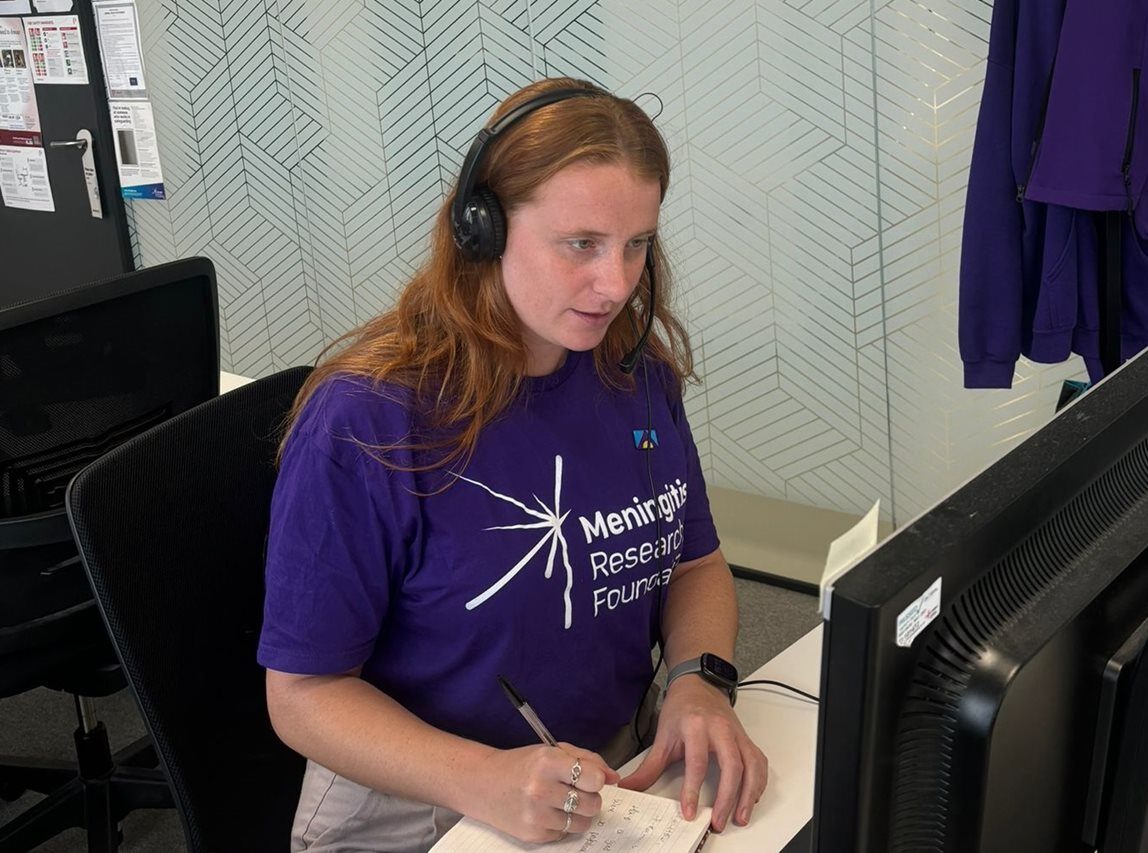
Physical and emotional recovery from meningitis and its impact can be different for everyone. Support is available if meningitis has affected you or someone you know.
If you're in the UK or Ireland, the Meningitis Research Foundation Support Services team are ready to answer your questions.
If you're outside the UK and Ireland, our member network is the Confederation of Meningitis Organisations (CoMO). CoMO is dedicated to reducing the impact of meningitis globally, with members across the world. It's a great resource for finding support where you live.