Now is the time for action
Join us to call on governments around the world to defeat meningitis.

Making meningitis a political priority at a national level.
The successful implementation of the road map will depend, first and foremost, on regional and country engagement and political willingness to defeat meningitis.Defeating Meningitis by 2030: a global road map, page 6

National plans should also be guided by regional frameworks. The World Health Organization (WHO) recommends that each region of the world develops an implementation framework. Regional frameworks ensure that the WHO’s Global Road Map to Defeat Meningitis by 2030 is translated into guidance which truly recognises each region’s own unique disease burden, community need, healthcare landscape and political situation. Regional frameworks in turn support governments to develop relevant national plans.
Learn more about regional implementation frameworks.
Join us to call on governments around the world to defeat meningitis.
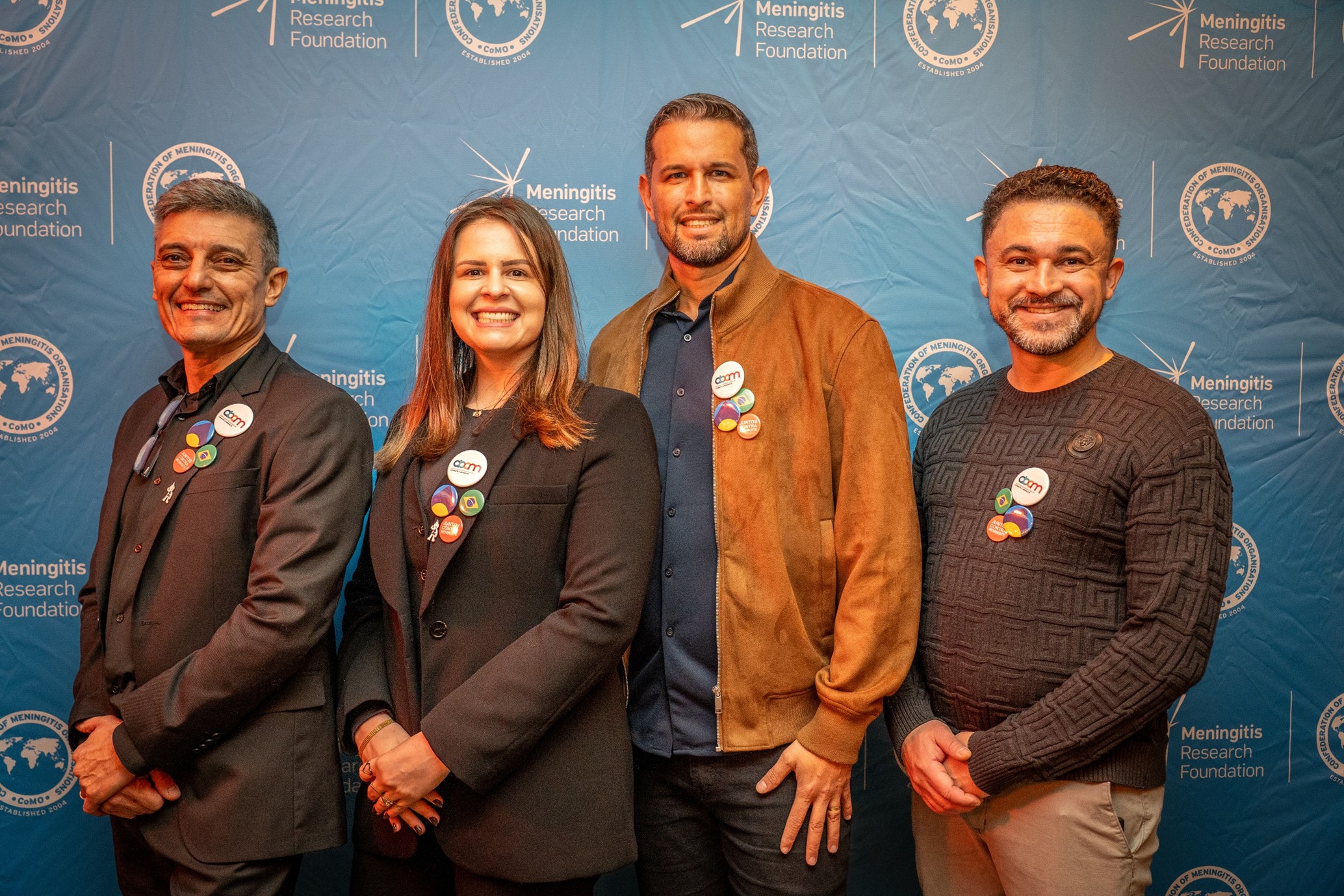
Hear from CoMO members Associação Brasileira de Combate à Meningite about their involvement in Brazil’s national plan.

Explore the Meningitis Progress Tracker to find estimates about meningitis in your country and region.
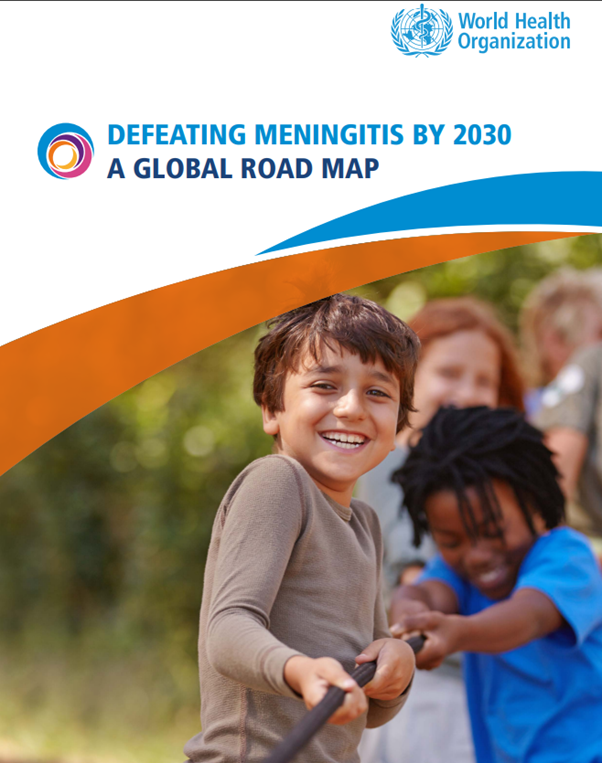
Read the World Health Organization’s ambitious plan.

Read the WHO’s guidance for governments on creating national plans.

Learn more about how regional implementation frameworks support national action plans.