

The work of the Scientific Advisory Panel is integral to our success.
It ensures that we only fund research that is of high scientific merit, relevant to our research strategy, original and likely to succeed.
You can read our peer review procedure here.
What does the Scientific Advisory Panel do?
The Panel:
- Assesses every research funding application.
- Assesses annual progress reports for existing research grants.
- Gives advice on our research strategy and research conferences.
Panel members are international scientists working at the top of their field. They conduct worldwide research and generously give their time and expertise for free. They bring great insight and dedication to the funding process.
We are enormously grateful for their commitment, which can only serve to further research into meningitis.
Meet the Scientific Advisory Panel
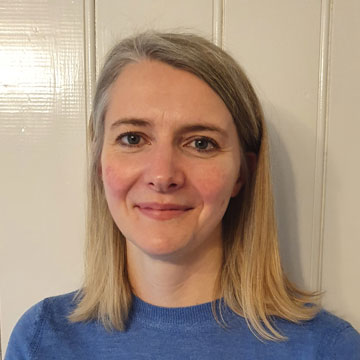
Professor Caroline Trotter (Chair)
Professor Caroline Trotter (Chair)
Infectious disease epidemiologist at University of Cambridge and Imperial College London
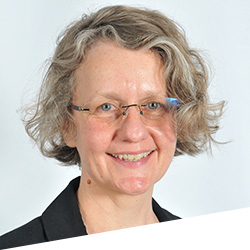
Professor Anne Von Gottberg (Vice-chair)
Professor Anne Von Gottberg (Vice-chair)
Laboratory lead at the Centre for Respiratory Diseases and Meningitis at the National Institute for Communicable Diseases, Johannesburg, South Africa and Associate Professor at the University of the Witwatersrand, Johannesburg
She leads a laboratory team responsible for reference diagnostics for respiratory and meningitis pathogens nationally and regionally. The laboratory is the regional reference laboratory for the World Health Organization (WHO) Vaccine-preventable Invasive Bacterial Diseases (VP-IBD) Coordinated Global Surveillance Network for the southern African region; a National Influenza Centre (NIC); and a global WHO RSV and regional SARS-CoV-2 reference laboratory.
She is currently a member of several committees and technical advisory groups for AFRO, Africa CDC and WHO. Her main interests include surveillance for meningitis and respiratory pathogens, assessing vaccine effectiveness where relevant. She has authored or co-authored more than 200 articles in peer-reviewed journals. In addition, she supervises a number of Masters and PhD students. Dr von Gottberg obtained her MBBCh and PhD at the University of the Witwatersrand, and trained for her specialisation in clinical microbiology (FC Path[SA] MICRO) at the National Health Laboratory Service (former South African Institute for Medical Research) and at the University of the Witwatersrand.

Dr Suzanne Anderson
Dr Suzanne Anderson
Community child health paediatrician at University College London
From 2007 to 2016 she worked in sub-Saharan Africa, latterly running the clinical services department at the MRC Unit The Gambia for five years. Since returning to the UK she works as a consultant paediatrician with Evelina London Children’s Community Services and with the UCL MRC Clinical Trials Unit on a multi-centre treatment and outcome trial of TB meningitis.

Dr Merijn Bijlsma
Dr Merijn Bijlsma
Paediatrician and researcher at Amsterdam University Medical Centres
He combines national surveillance data, with large clinical cohorts and bacterial genetic sequencing, with the aim of improving diagnostics and prevention. Merijn is a member of the Dutch guideline committee and has co-authored the latest national guidelines on bacterial meningitis diagnosis and treatment.
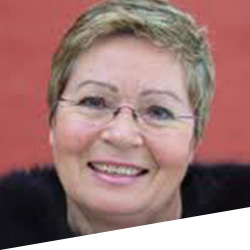
Professor Dominique Caugant
Professor Dominique Caugant
Director of Research at the Division for Infection Control, Norwegian Institute of Public Health, and Head of the WHO Collaborating Centre for Reference and Research on Meningococci, Oslo, Norway
She is responsible for the National Reference Laboratories in Norway for Neisseria gonorrhoeae and Neisseria meningitidis.
She is Adjunct Professor at the University of Oslo since 1999, first at the Faculty of Dentistry (until 2009), presently at the Section for International Health, Faculty of Medicine.
Her main fields of research are population genetics and molecular epidemiology of pathogenic bacteria, developing molecular tools for the study of infectious disease transmission, the development of antibiotic resistance and the evolution of pathogens. She is also involved in vaccine research, especially against meningococcal disease, including development of outer membrane vesicle vaccines, testing potential coverage of new vaccines and evaluation of impact of vaccination. She is involved in several international research projects, especially in Sub-Saharan Africa.
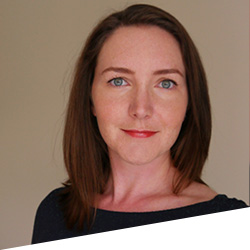
Professor Hannah Christensen
Professor Hannah Christensen
Infectious disease epidemiologist at University of Bristol
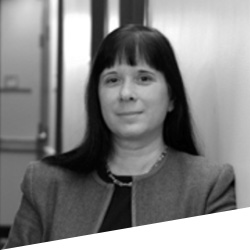
Professor Nora Groce
Professor Nora Groce
Director of the UCL International Disability Research Centre at University College London
Now holding the Cheshire Chair at University College London she was previously on the faculties of Harvard University (1984-1990) and Yale (1990-2008), where she helped establish and run the Global Health Programme before coming to UCL in 2008. Widely published, Groce also serves on a number of national, international and United Nations committees and advisory boards.

Dr Brenda Anna Kwambana-Adams
Dr Brenda Anna Kwambana-Adams
Wellcome International Intermediate Fellow and Senior Lecturer (Academic Career Track) at the Liverpool School of Tropical Medicine and the Malawi-Liverpool-Wellcome Clinical Research Programme
In the process of doing this, Brenda is also developing tools for early, rapid, and accurate diagnosis of acute bacterial meningitis (ABM) that could improve case ascertainment in resource limited settings. Brenda also works with the World Health Organization (WHO) and Regional Reference Laboratories supporting surveillance of acute bacterial meningitis across Africa. Brenda contributed to the development of the current WHO guidelines on controlling pneumococcal outbreaks in the African “meningitis belt” and the WHO Defeating Meningitis 2030 Global Roadmap. Brenda has won numerous awards including the first prestigious MRC-LSHTM West Africa Global Health Research Fellowship.
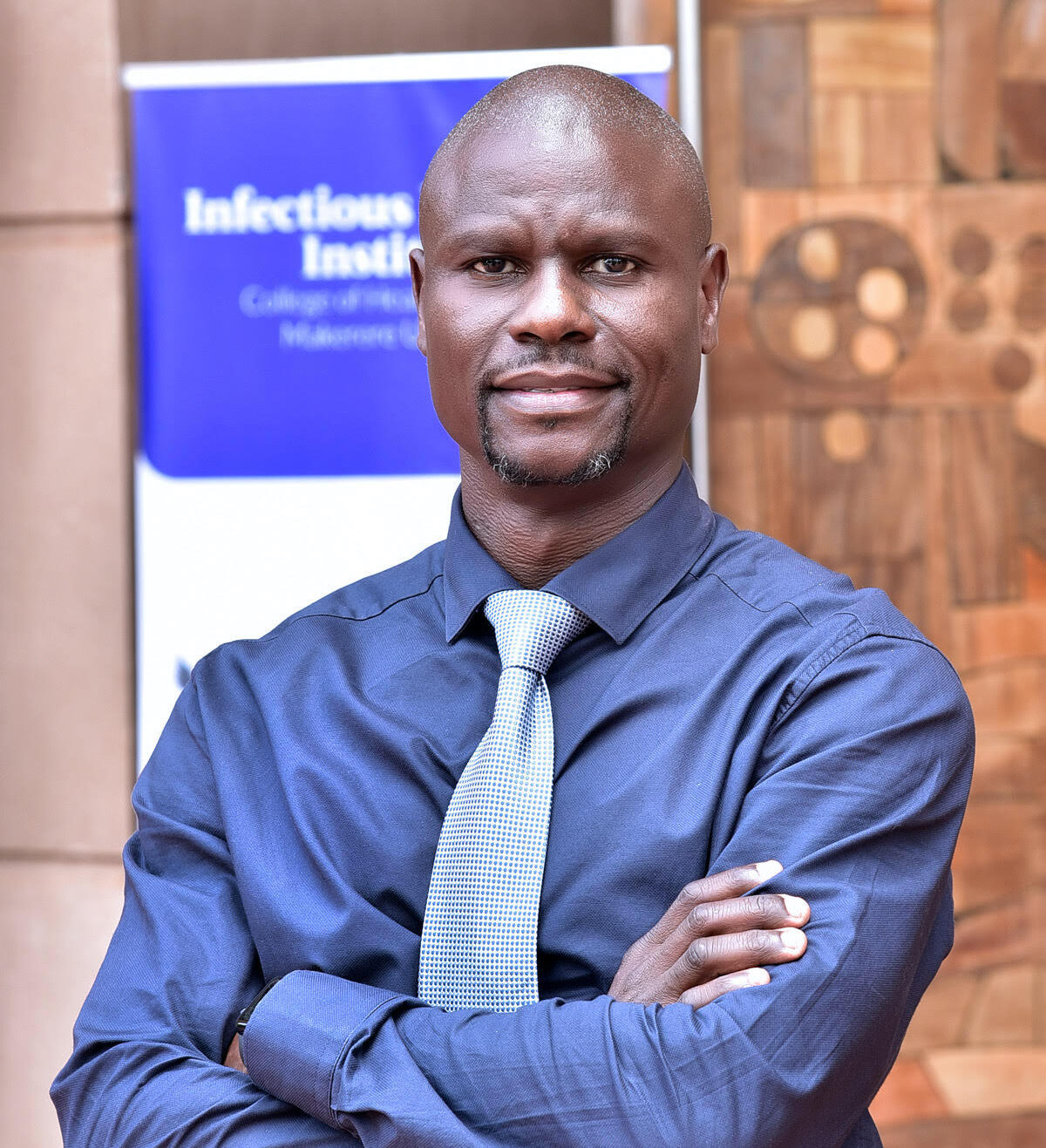
Dr David Meya
Dr David Meya
Associate Professor at the College of Health Sciences, Makerere University and an Adjunct Professor at the University of Minnesota.

Dr Angela Rodrigues
Dr Angela Rodrigues
Associate Professor at Northumbria University

Dr Matthew Coldiron
Dr Matthew Coldiron
Director of the Manson Unit at MSF UK and Deputy Medical Director of MSF-Operational Centre Amsterdam (OCA)
support unit of MSF-UK and serves as Deputy Medical Director of MSF
Operational Center Amsterdam. After completing an AB at Princeton, he
received MD and MPH degrees from Emory University, and completed
postgraduate medical training in Internal Medicine at NYU-Bellevue
Hospital in New York. He has worked extensively in humanitarian contexts
with MSF since 2010, providing medical care and leadership in MSF
projects, and designing and leading observational studies and clinical trials.
Peer review procedure
Meningitis Research Foundation undertakes structured peer review of research applications submitted for funding. This process fulfils the Association of Medical Research Charities’ (AMRC) rigorous peer review principles and those of the Irish Medical Research Charities Group.
1. Application & Deadline
Each grant round starts with a public call for applications, and applicants have a minimum of 8 weeks to submit their research proposal. During this time, our Research Team is available to answer questions and guide applicants on eligibility and scope of the open grant call.
2. Eligibility
After the deadline, the Research Team conducts an initial check on all applications for eligibility and conflicts of interest with our Scientific Advisory Panel. Any issues are resolved before moving to review.
3. Standard Review Process
Applications are assigned to reviewers on our Scientific and Lived Experience Advisory Panels based on expertise and conflict-of-interest checks.
Every application is reviewed by:
- At least two Scientific Advisers to evaluate quality and feasibility.
- At least one Lived Experience Advisors to evaluate relevance and real-world impact.
Reviewers score applications against clear criteria, such as:
- Relevance and clinical benefit
- Scientific design and methodology
- Originality
- Feasibility of achieving objectives, including within the proposed timeframe
- Ethical considerations and cost realism
- Appropriate inclusion of people with experience of meningitis
Criteria may change for each research grant round. The exact evaluation criteria for each research grant round are published on the Meningitis Research Foundation website.
4. Additional Review Process
For larger grants, discretionary awards considered outside the research grant round, or where several conflicts exist within the Scientific Advisory Panel, additional experts may be contacted to provide peer review. These are experts that do not sit on our Scientific Advisory Panel but who are asked to offer their time to support the review process. These reviewers follow the same process to provide written feedback, scores, and recommendations on research applications.
5. Conflict of interest
All peer reviewers and Meningitis Research Foundation staff must declare any actual, potential or perceived conflicts of interest. There are two levels of conflict of interest: full conflict and limited conflict.
A). Reviewers are defined as fully conflicted on the following application types:
- their own application
- where they are listed as a co-applicant or collaborator
- where applicants are from the same department
- involving individuals they have supervised, managed, or closely collaborated with within the last 3 years
- where they have a personal relationship with the applicants
- where they have a financial interest
- where they feel they have or would appear to have a significant conflict of interest
Reviewers with a full conflict do not receive any documents pertaining to the conflicted application, they must leave the room for the discussion of that application, they do not receive minutes for that discussion, and they do not score that application.
B). Reviewers are defined as limited conflict on the following application types:
- where applicants are from the same organization but a different department
- where they have a minor collaboration more than 3 years ago
Reviewers with a limited conflict do not receive any documents pertaining to the conflicted application and they do not score that application, but they may remain in the room for the discussion and answer any factual questions posed by the other panel members.
6. Panel Meeting & Decision
After individual reviews are submitted, all panel members meet to discuss the applications in detail.
The panel collectively evaluates the application against agreed criteria, considering both scientific merit and input from Lived Experience Advisors. This ensures decisions reflect both technical quality and real-world relevance. Applications are ranked based on overall scores, reviewer comments, and alignment with the grant call’s priorities.
The panel’s recommendations are documented and forwarded to the Foundation’s Trustees. Who make the final funding decisions.
7. Ongoing monitoring
Funded projects are monitored through progress and final reports. Lead reviewers provide feedback throughout the project lifecycle.
Contact us
For research-related inquiries or collaboration opportunities, please email us at researchteam@meningitis.org.
Sign up to our research mailing list to get notified of funding opportunities, news and events in the field of meningitis research.